Exploring Abstractions Among the Bristlecone Pines
Quick note: If you would like to learn more about how I approach photographing scenes like those included below, you can view my Beyond the Grand Landscape talk for free as part of the Nature Photo Summit, an online photography event being held from November 6 to 8. The Summit has a great lineup of inspiring speakers this year and I am looking forward to watching many of the other talks, too. You can sign up here.
Written by Sarah Marino (all human, no AI)
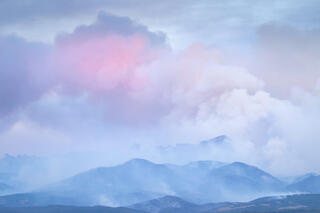
By the end of July, we were sick of watching the massive wildfire near our home continue to move north, getting closer each day. In response to this miserably hot and smoky summer, Ron had recently added a “comfort index” column to his weather information page, smallscenes.info, and after seeing that Great Basin National Park had a near-perfect comfort score, we packed up our camper and headed west. By the time we arrived in Great Basin a few days later, the winds had shifted and smoke from yet another fire reduced the park’s comfort rating, too. 😭
Since the smoke was not bad enough to keep us from hiking and the park’s underground cave offered respite from the heat, we stayed for a few days, enjoying the area's most accessible bristlecone pine forest, doing some lovely higher-elevation day hikes, and going on two cave tours. The Lehman Cave was incredibly beautiful, with all sorts of intricate patterns formed over hundreds of years on display. We brought our cameras with us on both tours, and the advances in image stabilization and noise reduction made it surprisingly easy to get high-quality, sharp photos from the very dark, poorly lit cave. While I’m glad I have some nice photos to help remember the experience, I decided against processing any of the cave photos for my portfolio.
My social media bios feature this line: I’m a tripod woman living in a handheld world. In addition to capturing what it feels like to live in a world that moves far too quickly sometimes, it also serves as a concise statement about how I approach photography. While many photographers seem to be looking for any reason to ditch their tripods, I love working with mine. I like how it slows me down and helps me think through composition decisions in a more careful way. With a tripod, I can come away with two or three deliberate compositions of a scene rather than fifty messy files that I need to sort through to find the one that has a level horizon, is sharp, and doesn’t cut off some important element that wouldn’t have been a concern had I had my camera on my tripod in the first place.
The Lehman Cave was a handheld world. Seeing the cave was a wonderful, visually exciting and educational experience — and a bit of a disappointment in terms of the photography. The formations were some of the most beautiful patterns I’ve seen anywhere in nature but photographing them just didn’t work out: the pace of the tour doesn't allow for anything more than a quick snapshot while moving through the cave's various chambers and passageways, tripods aren’t allowed, and the artificial light is way too warm for my personal taste. (With all the delicate formations combined with narrow pathways, it makes sense that the National Park Service does not allow tripods but an hours-long tour for photographers would an incredible experience for anyone who appreciates patterns and abstractions.) As offered, the tours are not conducive to my style of slow, deliberate photography and instead of forcing it and feeling frustrated as I would have done in the past, I instead accepted the limitations and tried to go with the flow of enjoying the experience itself instead.
I had more luck with the park’s bristlecone pines, the Great Basin bristlecone or Pinus longaeva. An easy, three-mile round trip trail leads to a dense grove of the trees, some of which are estimated to be between 3,000 to 4,000 years old. Even older trees have been found in other groves in the park. While the details of the story are uncertain, in 1964, a geographer named Donald Currey received permission from the US Forest Service to have one especially old tree cut down for research purposes. That tree turned out to be the oldest known bristlecone pine at the time, the Prometheus tree at around 4,900 years old. Since then, other older bristlecones have been discovered, and allowed to keep on living, in both Great Basin National Park in Nevada and in the White Mountains of California.
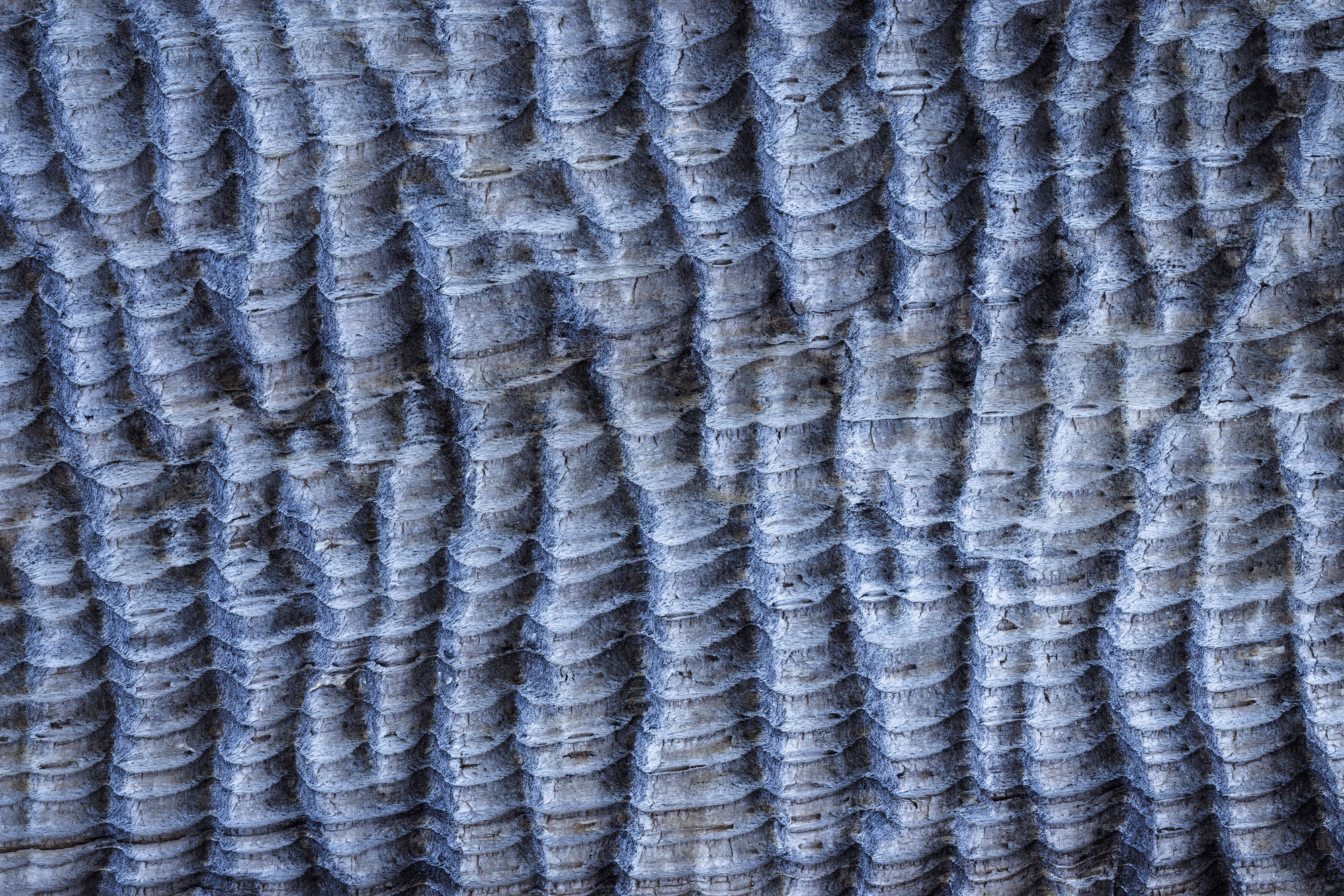
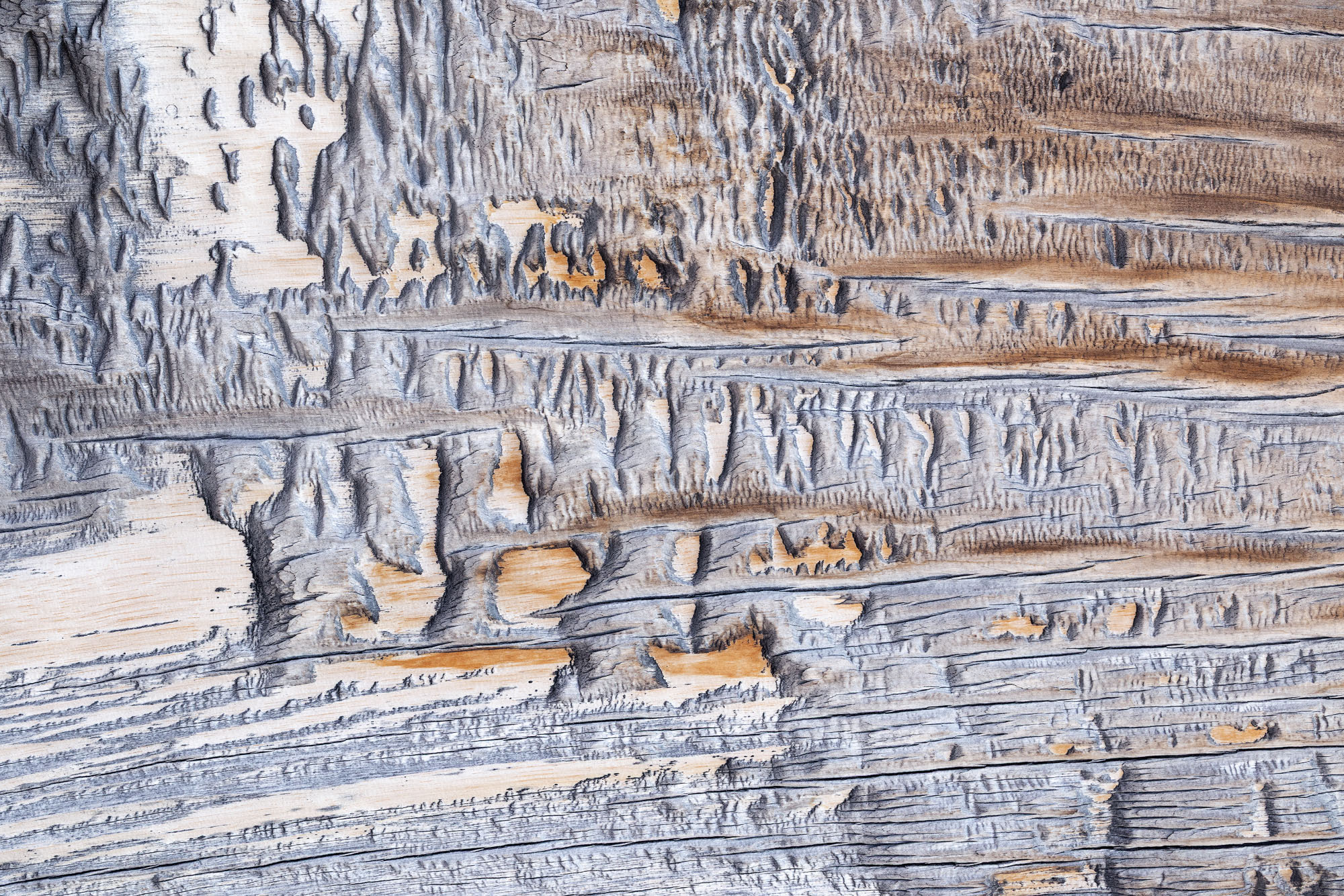
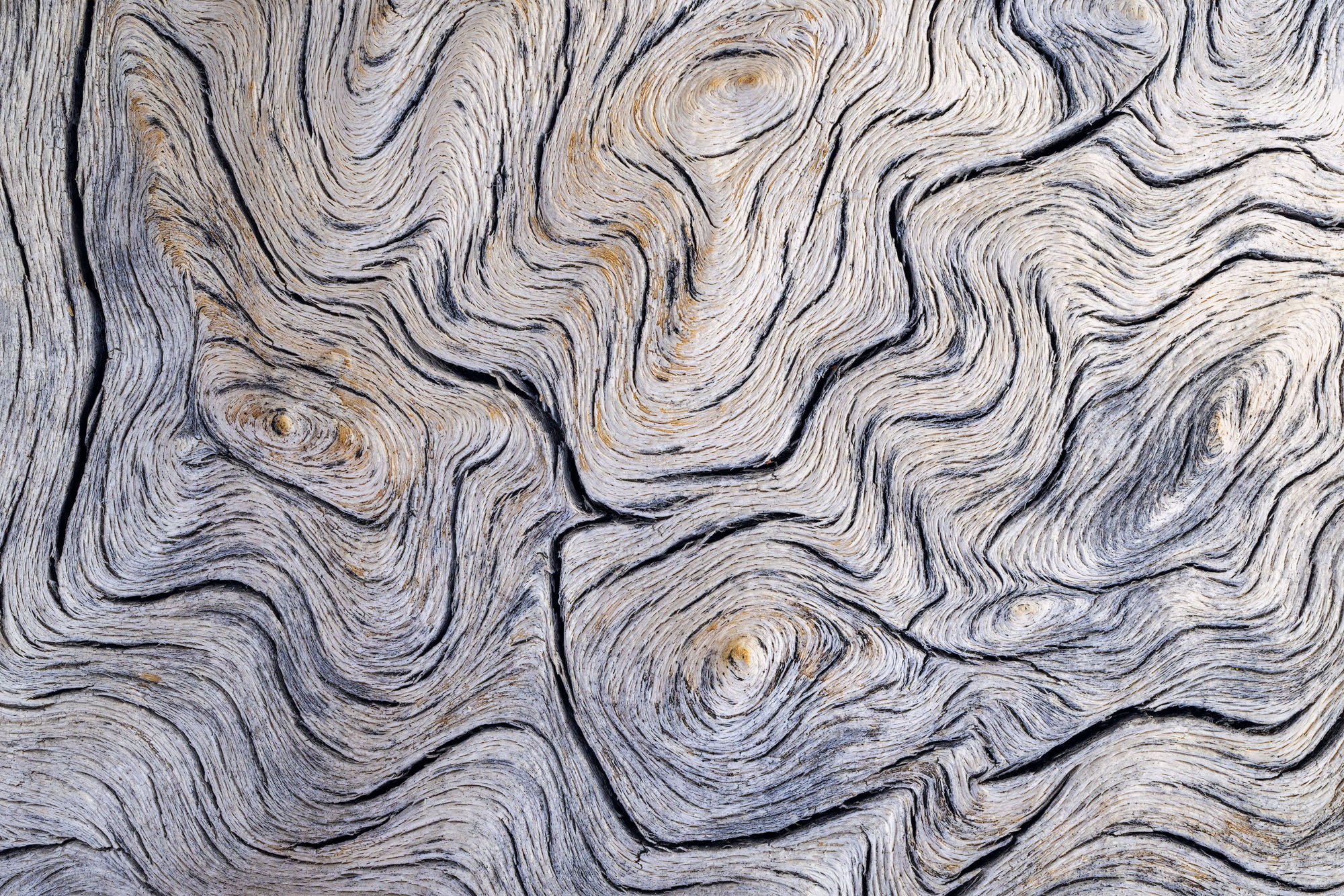
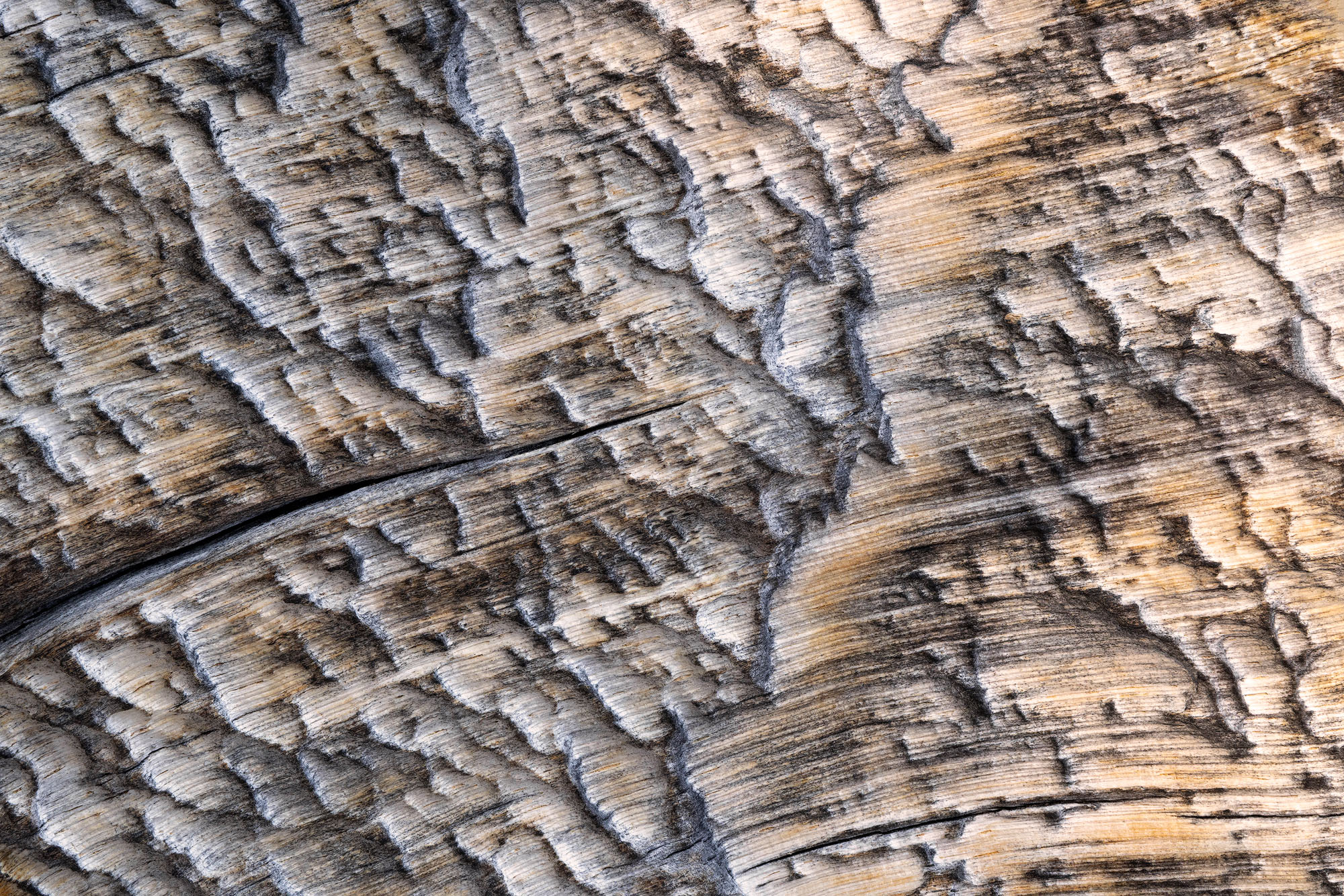
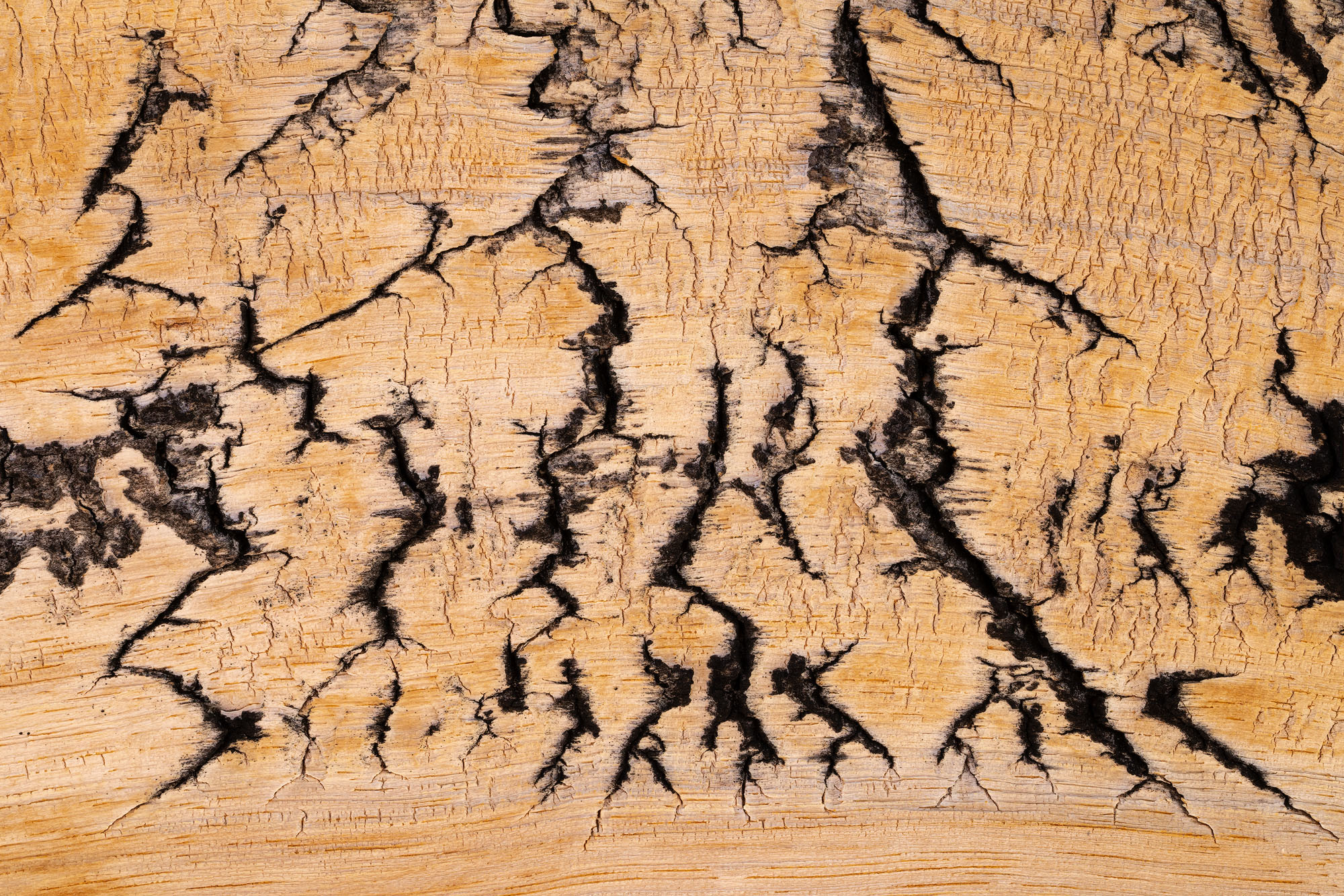
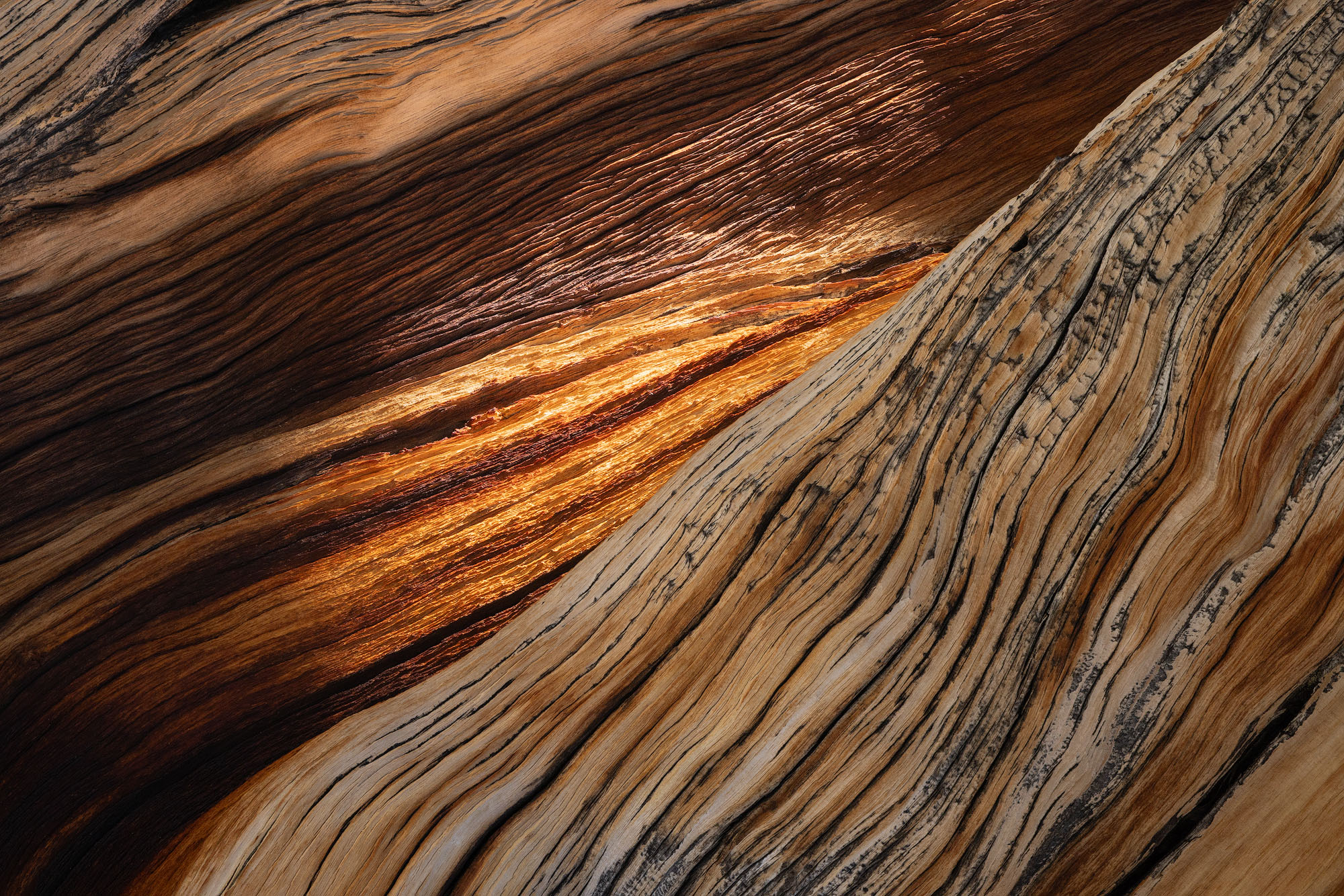
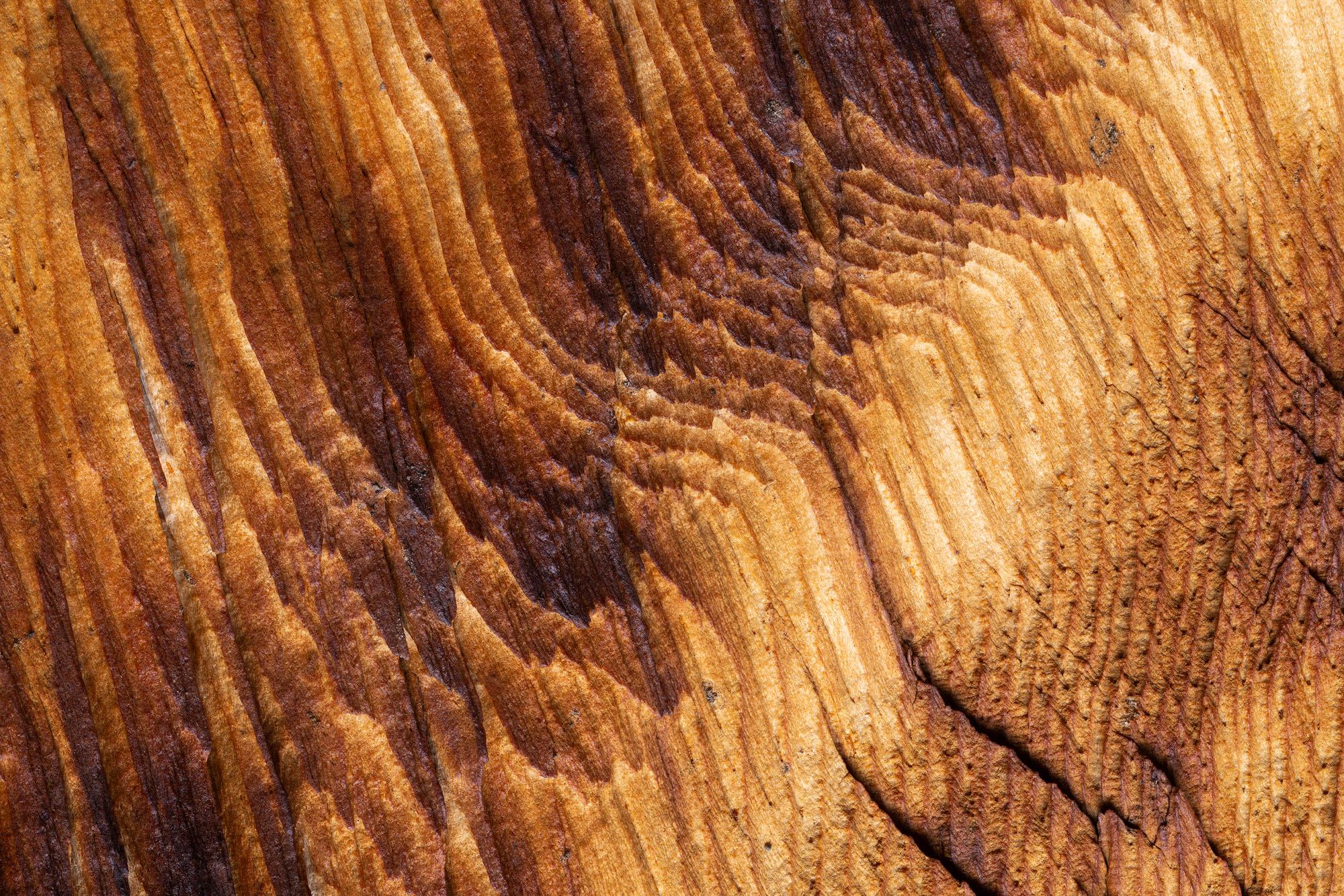
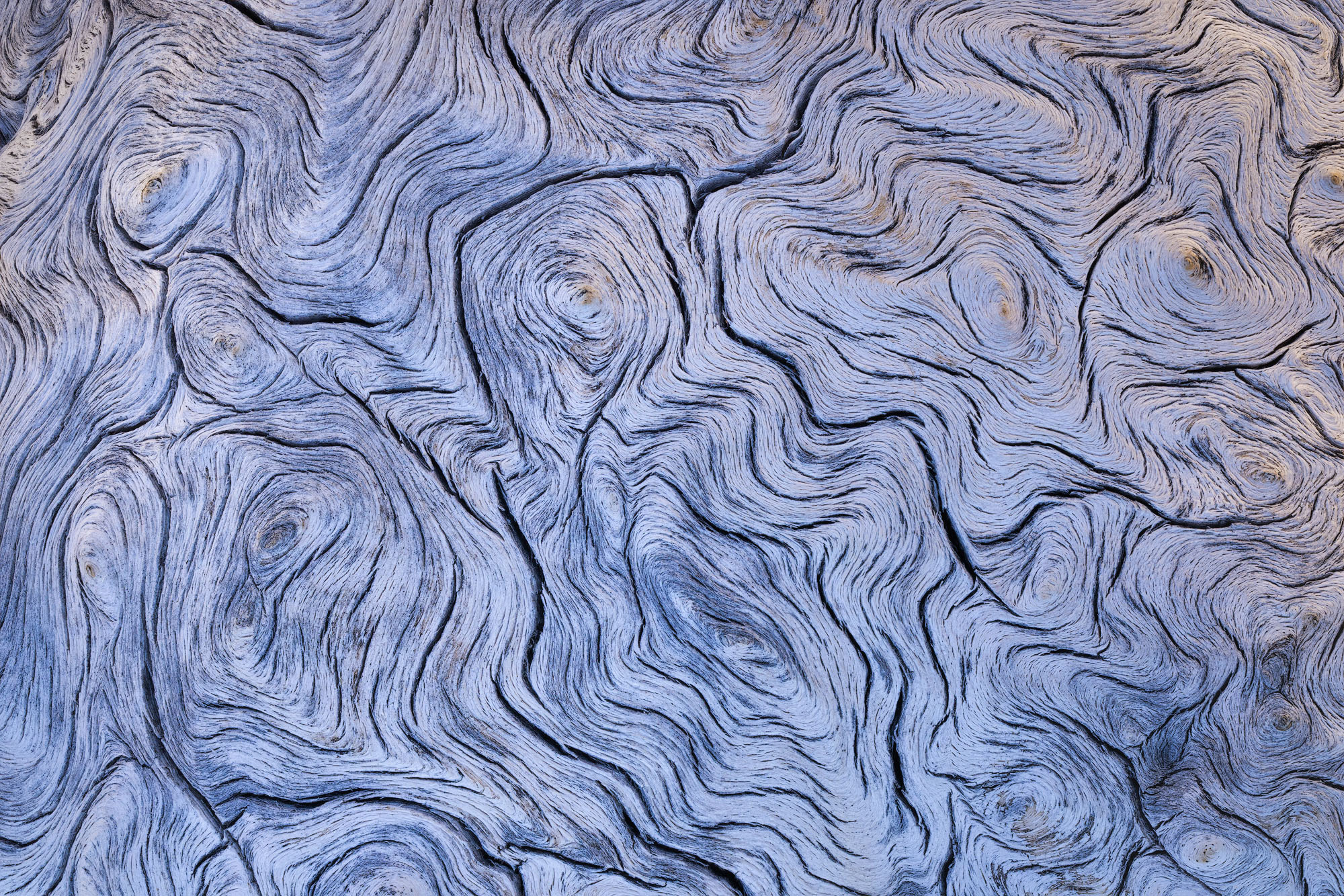
Standing among these trees and contemplating their lives is a humbling experience. As a simple example, it is remarkable to think that bristlecone pine needles can live to be 30 to 45 years before the tree sheds them! This year, we have visited these ancient trees in three separate places and each time, I have been drawn to the patterns in these long-lived needles, the bark, and the ribbons of exposed wood. Bristlecone pines develop very dense, resinous wood, giving them a unique look among evergreen trees. Additionally, a section of a bristlecone pine can keep living on a thin strip of bark and the vascular tissue beneath it, which carries water and minerals up from the roots to the branches, while the rest of the stout, massive trunk is gnarled, exposed dead wood. These features that help explain the bristlecone pine’s longevity are also part of what makes them so visually compelling for photography, especially when focusing on patterns and abstractions. This dense wood and delicately textured bark weathers and erodes in fascinating ways, leaving behind a mix of flowing lines, rhythmic patterns, and intricate details.
This collection of photos shows some of the patterns I found most interesting, ranging in size from about two inches across (photographed using a macro lens) to sections about four to five feet wide, showcasing more of a tree’s full trunk. With more hot weather in the forecast and worsening smoke, we decided to cut our time in Great Basin short, but I’d happily return just to revisit the bristlecone pines and spend more time in their presence, slowly exploring and photographing details like these.