Spring in New Zealand
Written by Ron Coscorrosa
Sarah and I spent four weeks in a camper van on the South Island of New Zealand this spring (well more like THAT spring, as it was still autumn in the United States when we left mid-October). We heard that spring can be wet on the South Island, especially on the west coast, and, well, the rumors are true. We had our full rain gear, including our rubber ("gum") boots, but there is only so much one can photograph when it rains five inches in a day and is constantly windy. At one point, we were stranded on the west coast as all roads out were closed due to mud slides ("slips"), flooding, or downed trees. The absolute worst of the weather was during the first two weeks of the trip when I was working during the day. Conditions did get better-- a little better--during the last two weeks when I was on vacation.
The sub-tropical and temperate rain forests, wild west coast beaches, Doubtful and Milford Sounds, Aoraki Mt. Cook, and the eastern coastal perimeter were the scenic highlights of the trip. My favorite part wasn't the scenery though--it was the animals. We saw many cool birds and ocean wildlife, including three species of penguin, humpback whales, dusky dolphins, seals, sea lions, albatross (including the giant southern royal albatross), many other seabirds, and tons of songbirds, including my favorite, the tūī which was over the top in appearance, vocalizations, and behavior.
You can see my full collection of photos in my New Zealand gallery, with some highlights below.
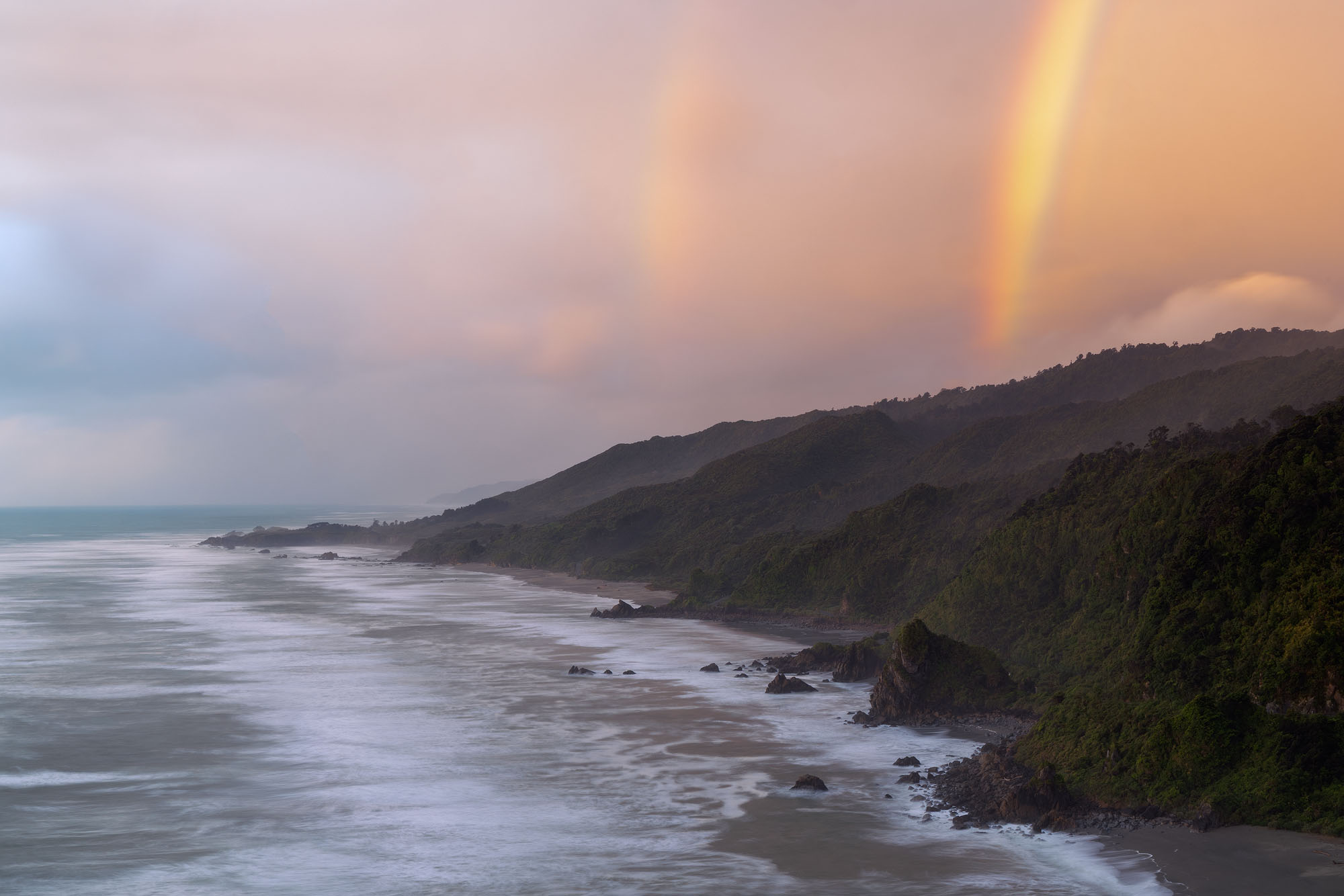
The west coast reminded me a lot of Big Sur in the United States, except with sub-tropical rainforest and fern trees!
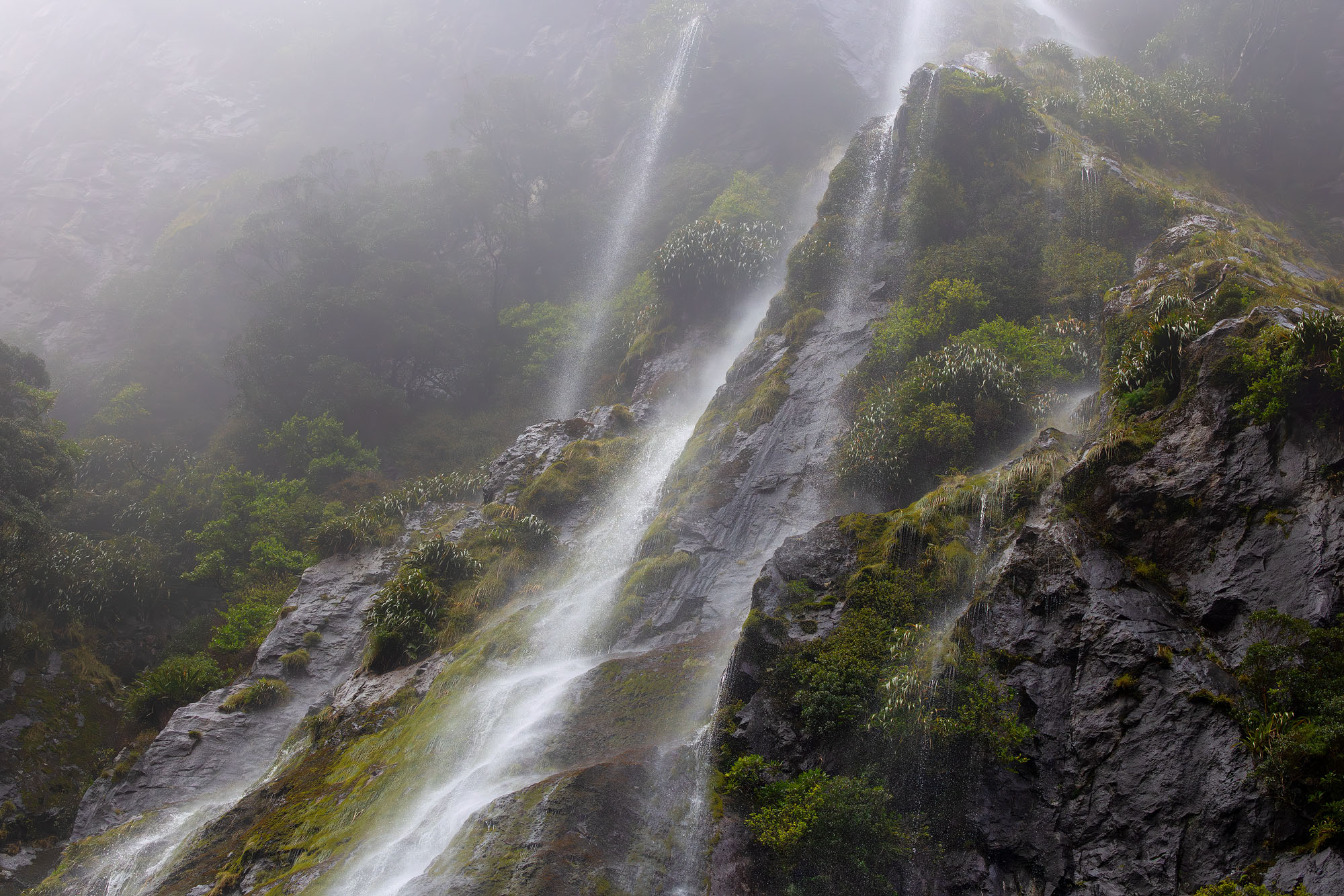
The Milford Sound area is known for its ephemeral waterfalls that show up after a recent rainfall.
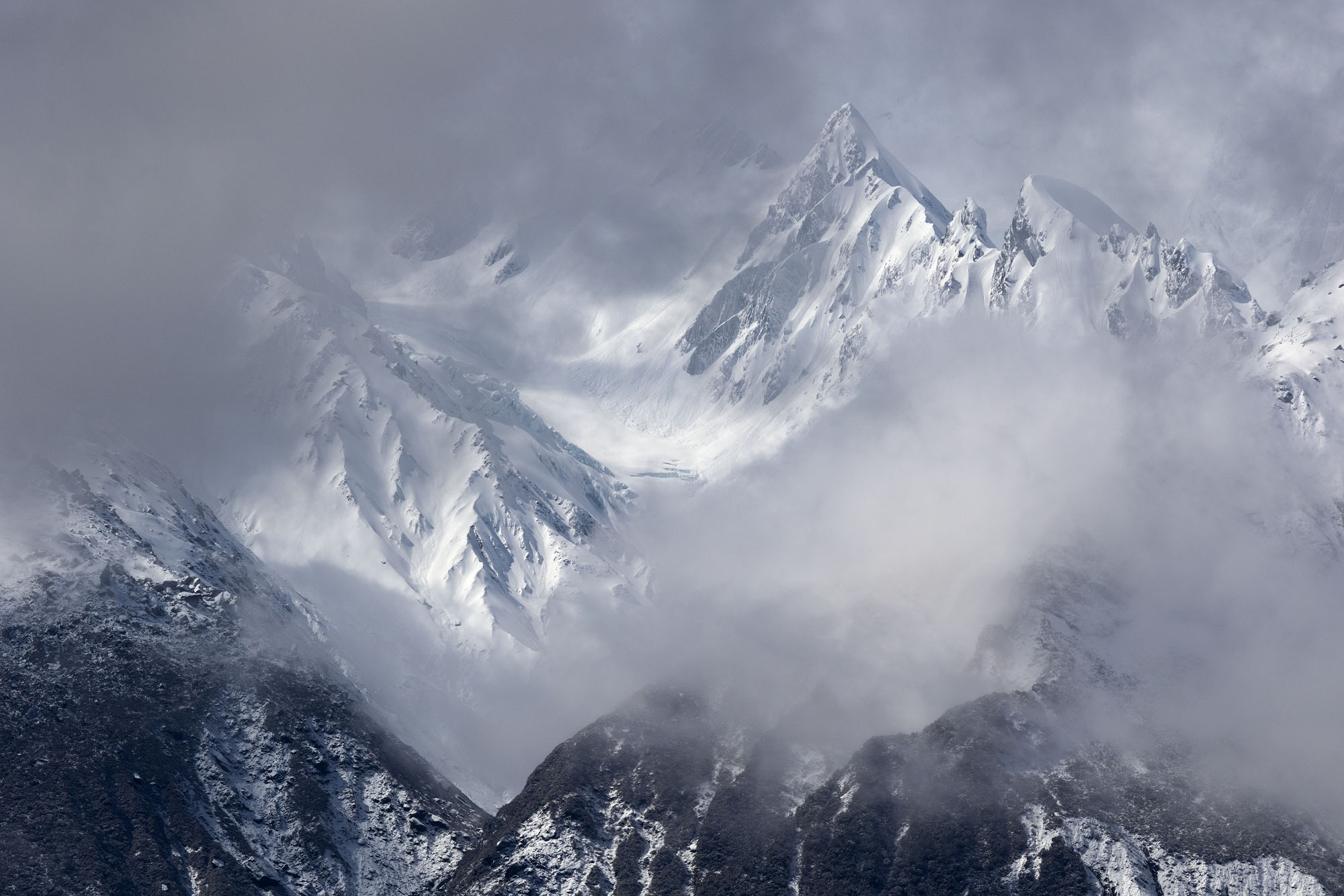
The Southern Alps make a brief and dramatic appearance.

A sunrise appearance of the Southern Alps immediately after a wild hail storm.
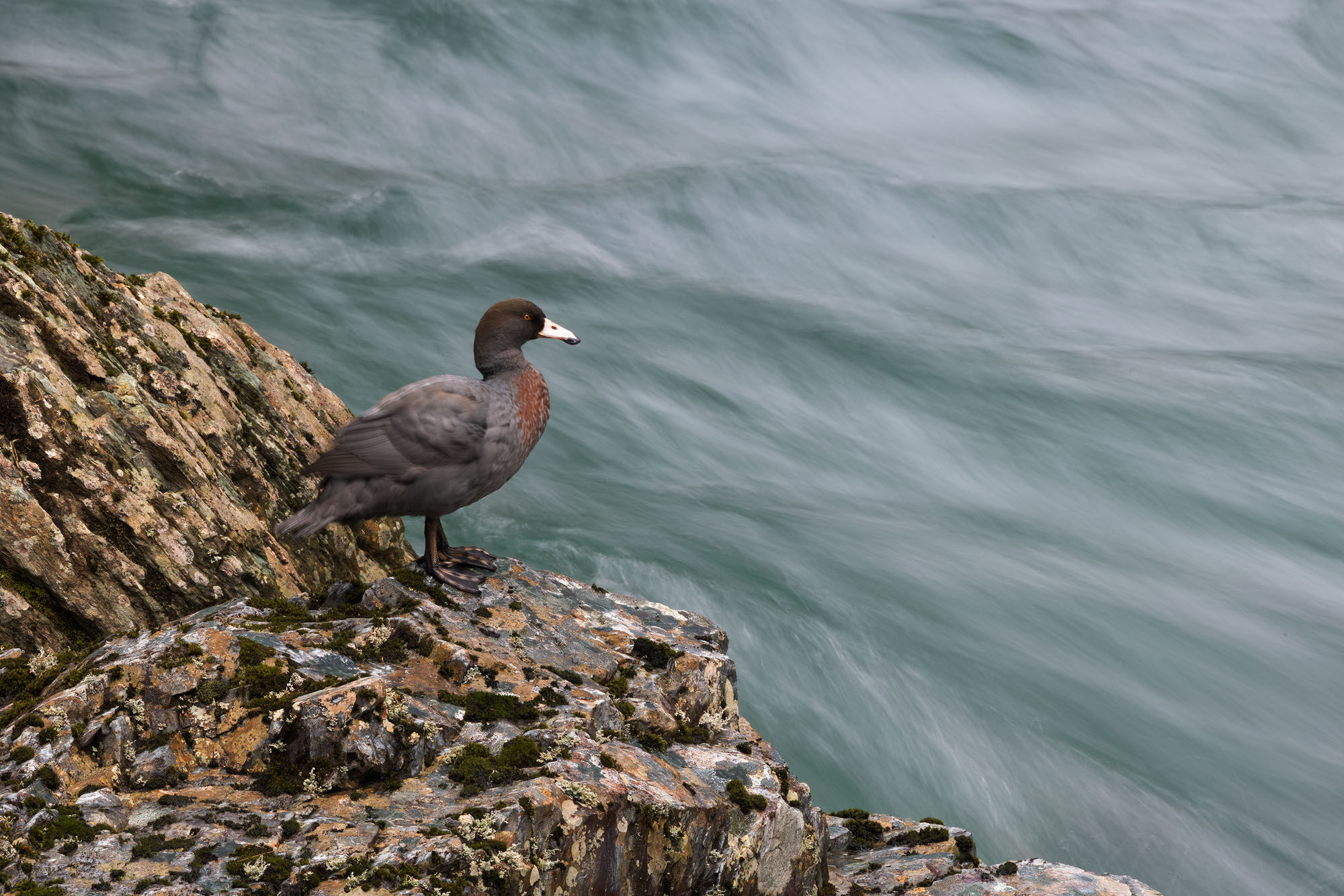
This a blue duck pausing for a few moments next to rapids. It is native to New Zealand and endangered, and is also on their $10 bill.

In New Zealand this bird is called a White Heron. Elsewhere it's an Eastern Great Egret. They are only found in one area on the South Island.
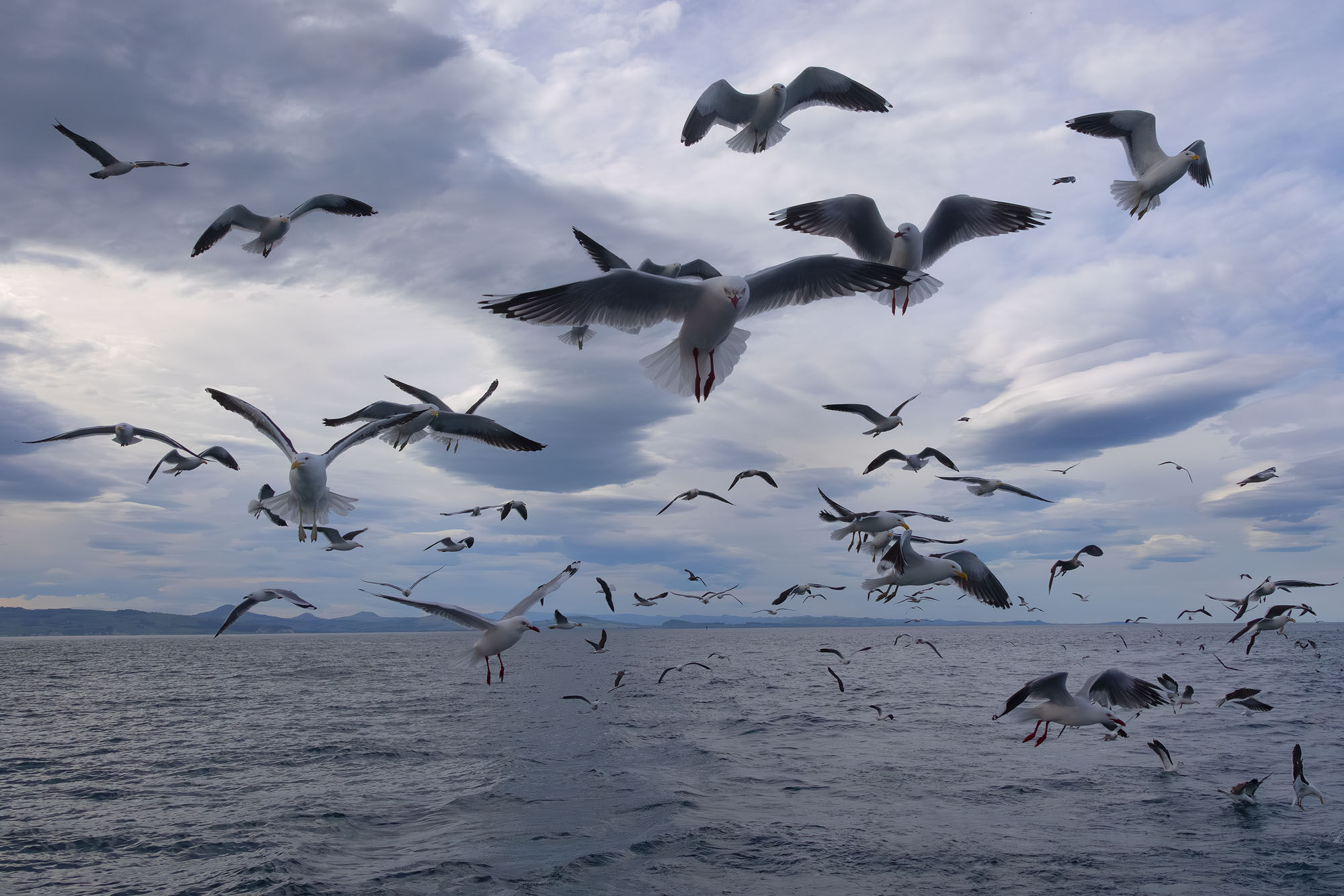
One of the highlights of the trip was an outing on a small fishing boat around the Otago peninsula where the captain fed fish scraps to the albatross (the fish would attract other gulls first - like these red-billed gulls - and then eventually the albatross would see the activity and follow suit).

Milford Sound is a famous destination but the road to Milford Sound - especially near the end - was the most scenic road we saw during our trip.
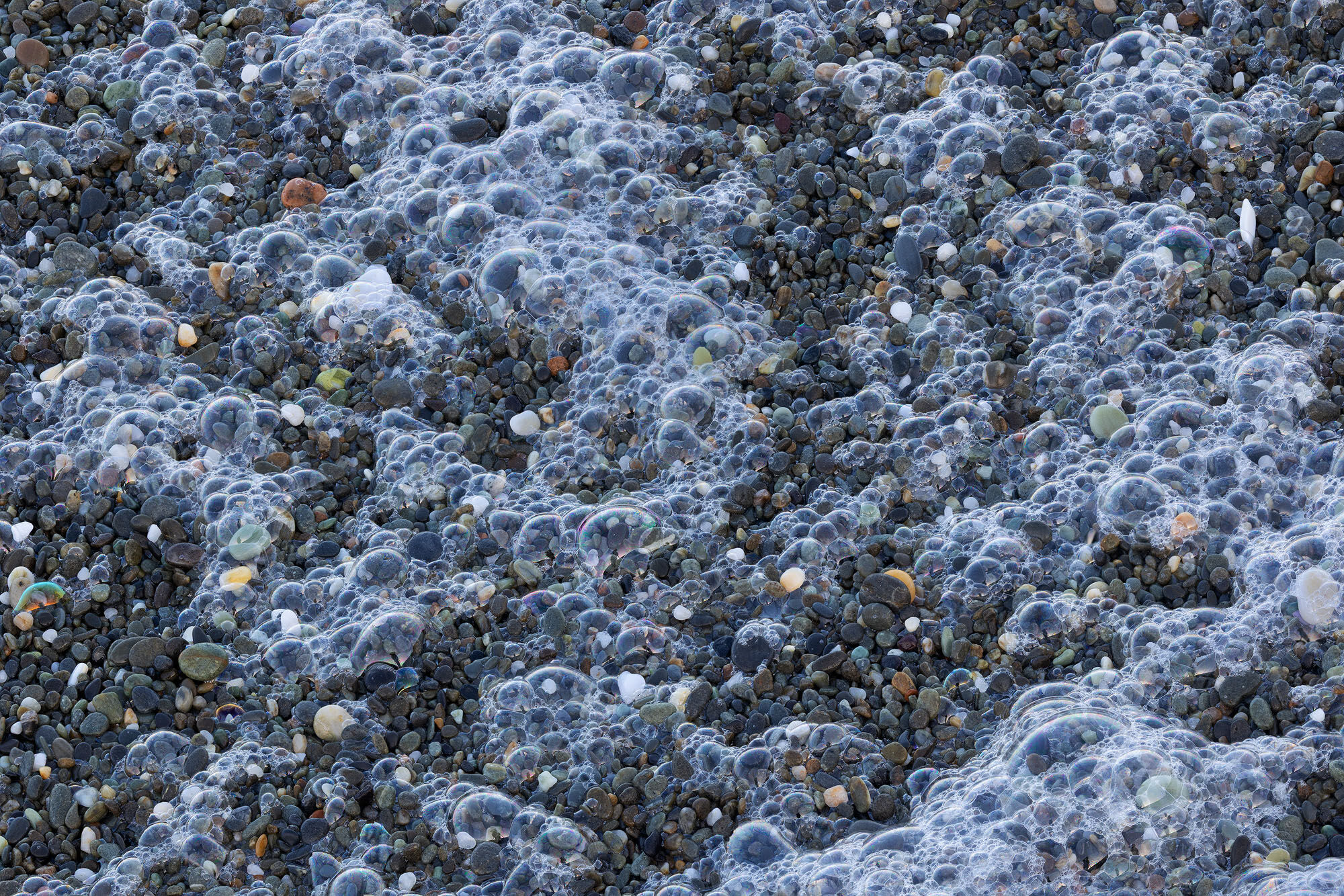
Beach bubbles! One great thing about an island is that there is coastline everywhere. This was just a random beach near a free camping area. All the intense wind created lots of foam and bubbles.
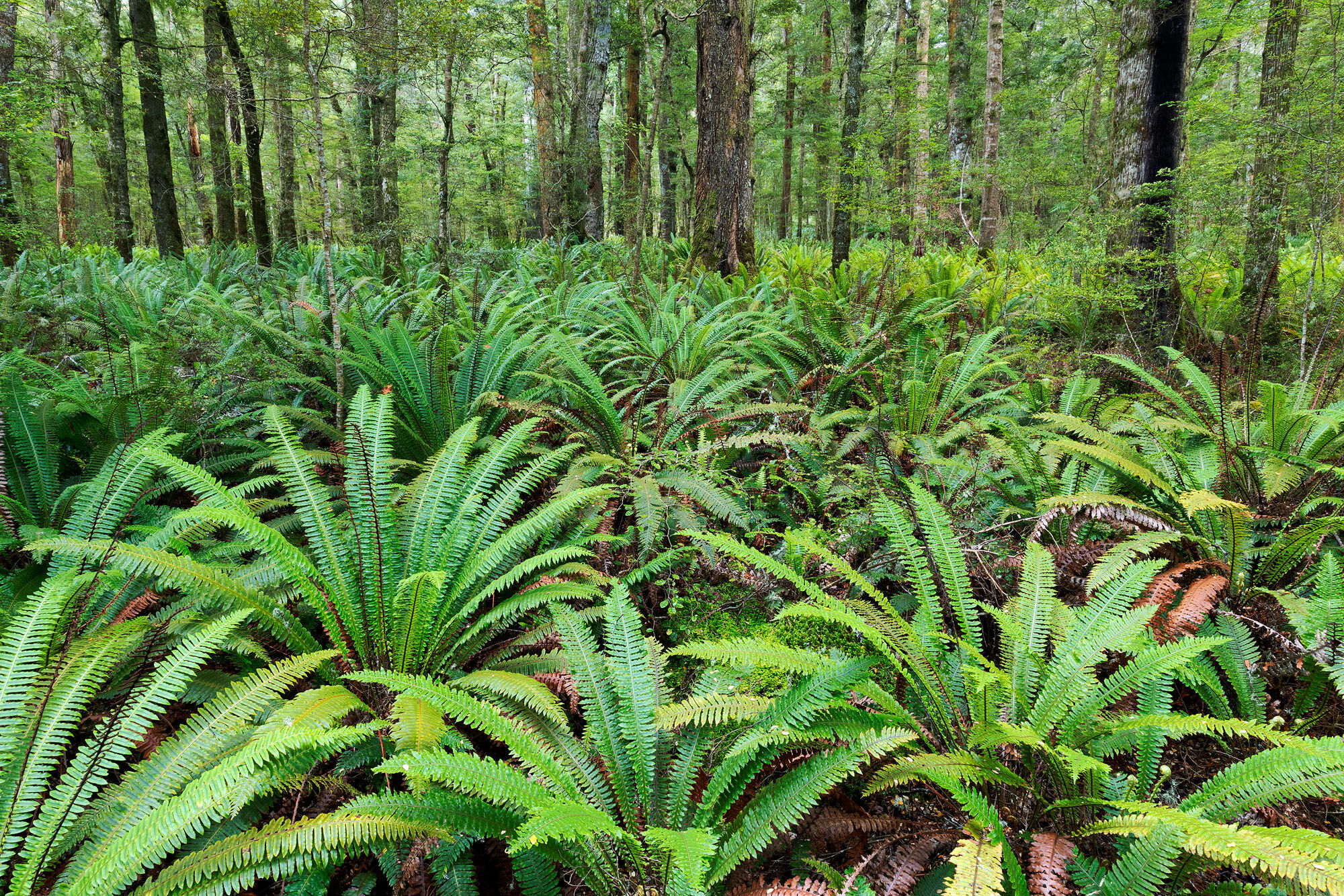
This is part of the temperate rainforest in the Fiordlands area, which I found reminiscent of the Pacific Northwest in the United States.
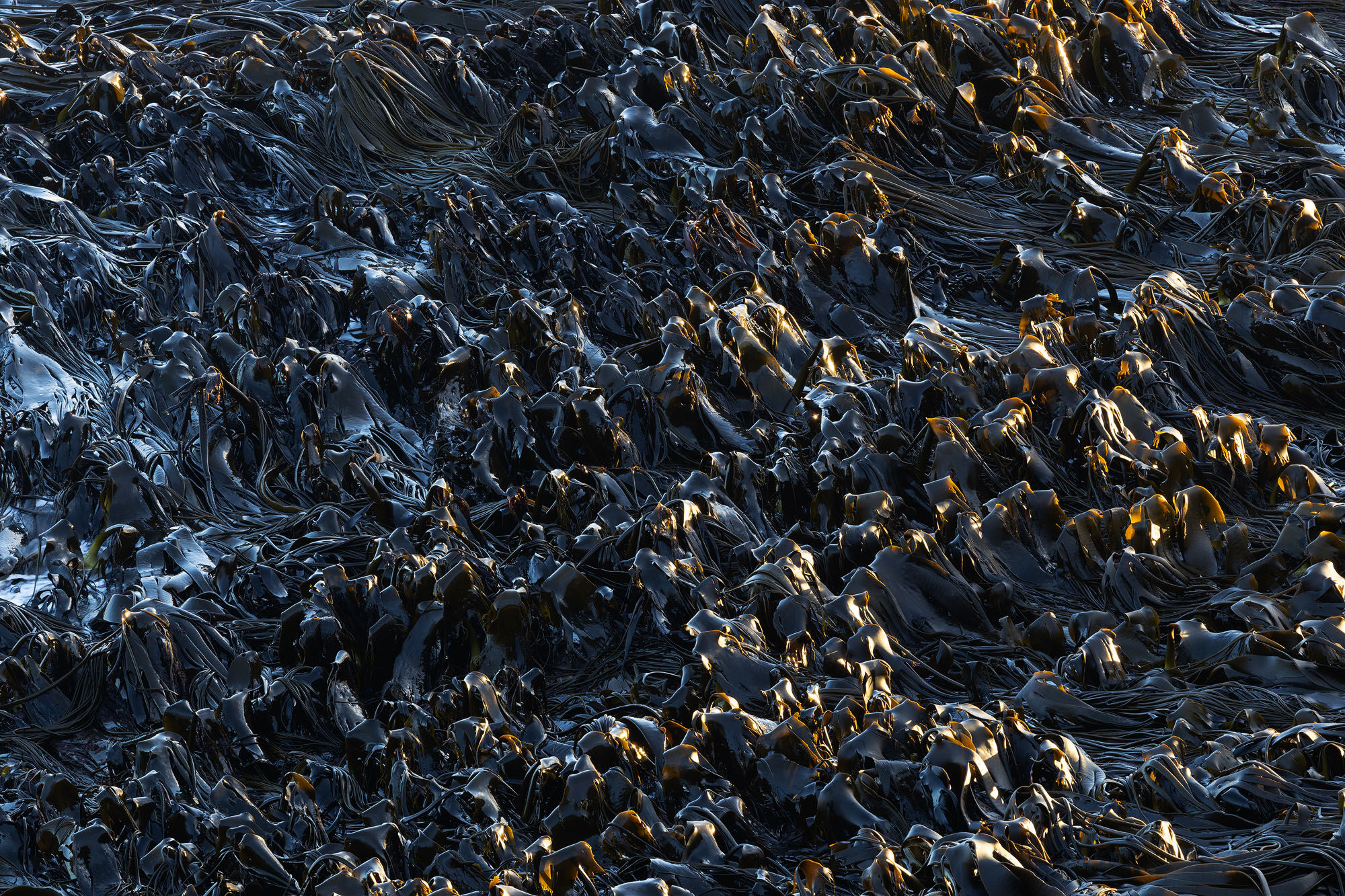
Bull kelp catching the last light at sunset.
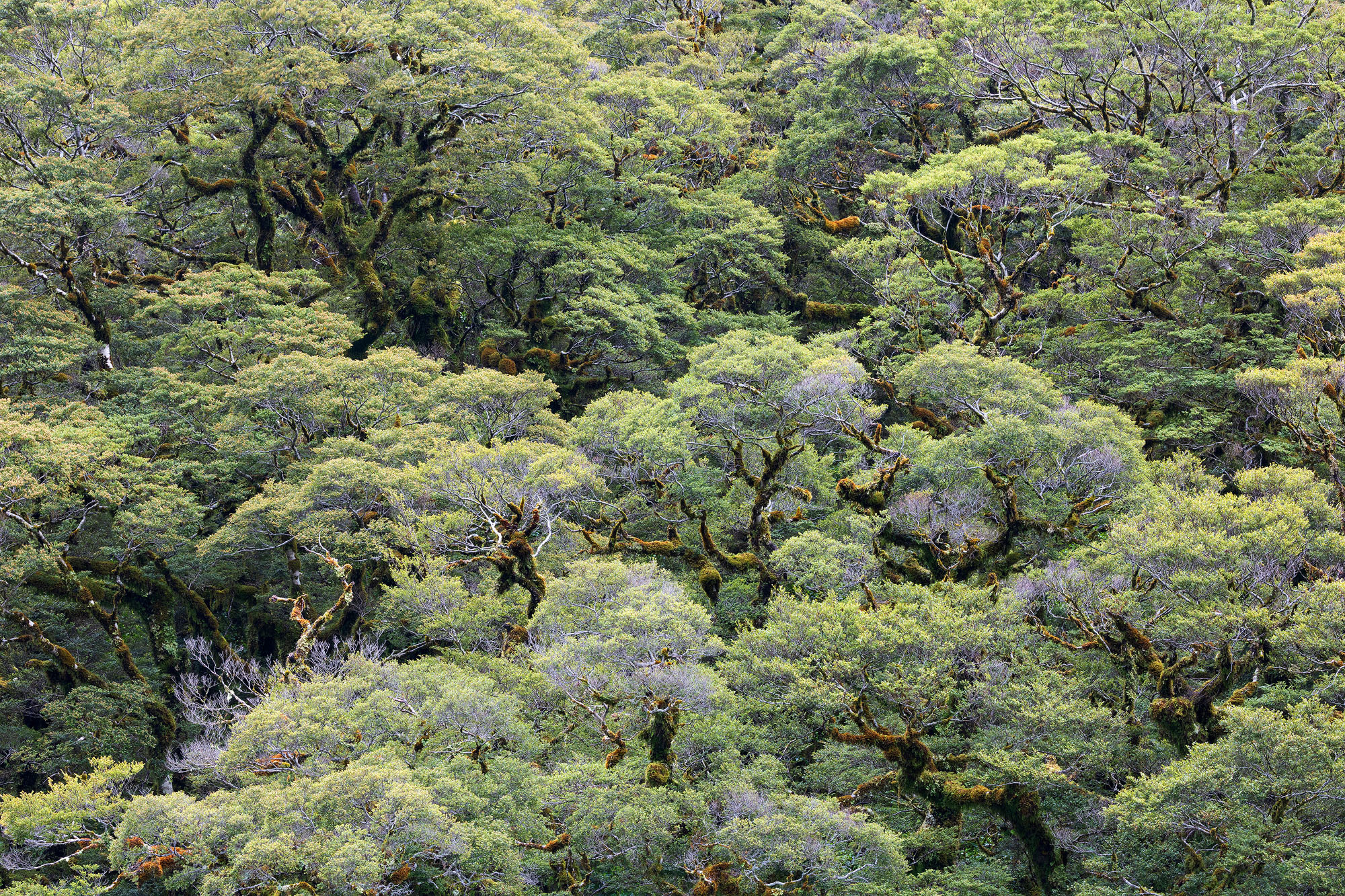
More cool trees in the Fiordlands area.
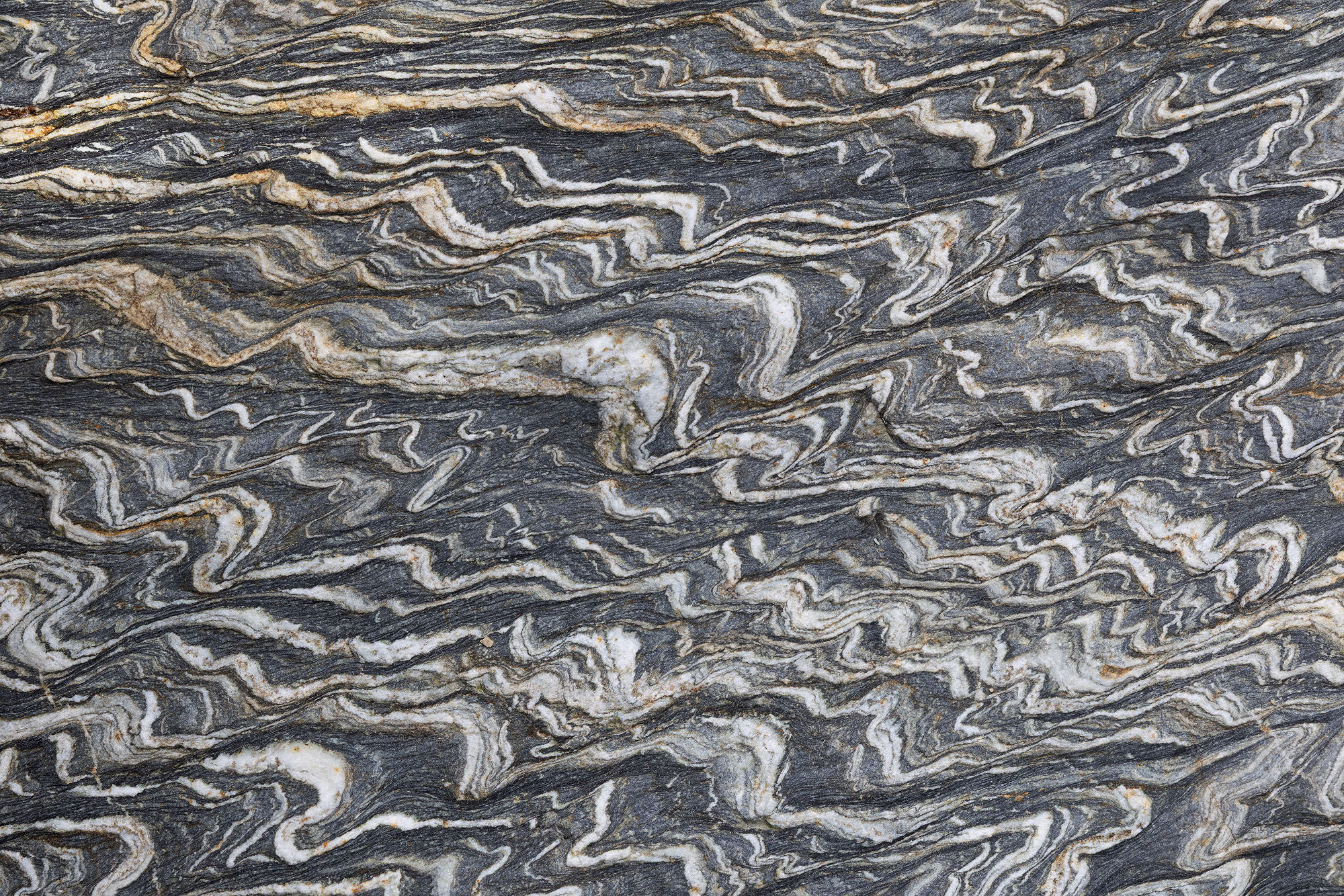
We went down a short trail to a waterfall but the coolest thing we (Sarah) found was this rock.

This is the kea, the only alpine parrot in the world, famous for its curiosity, intelligence, and tendency to wreak havoc upon unsuspecting travelers.
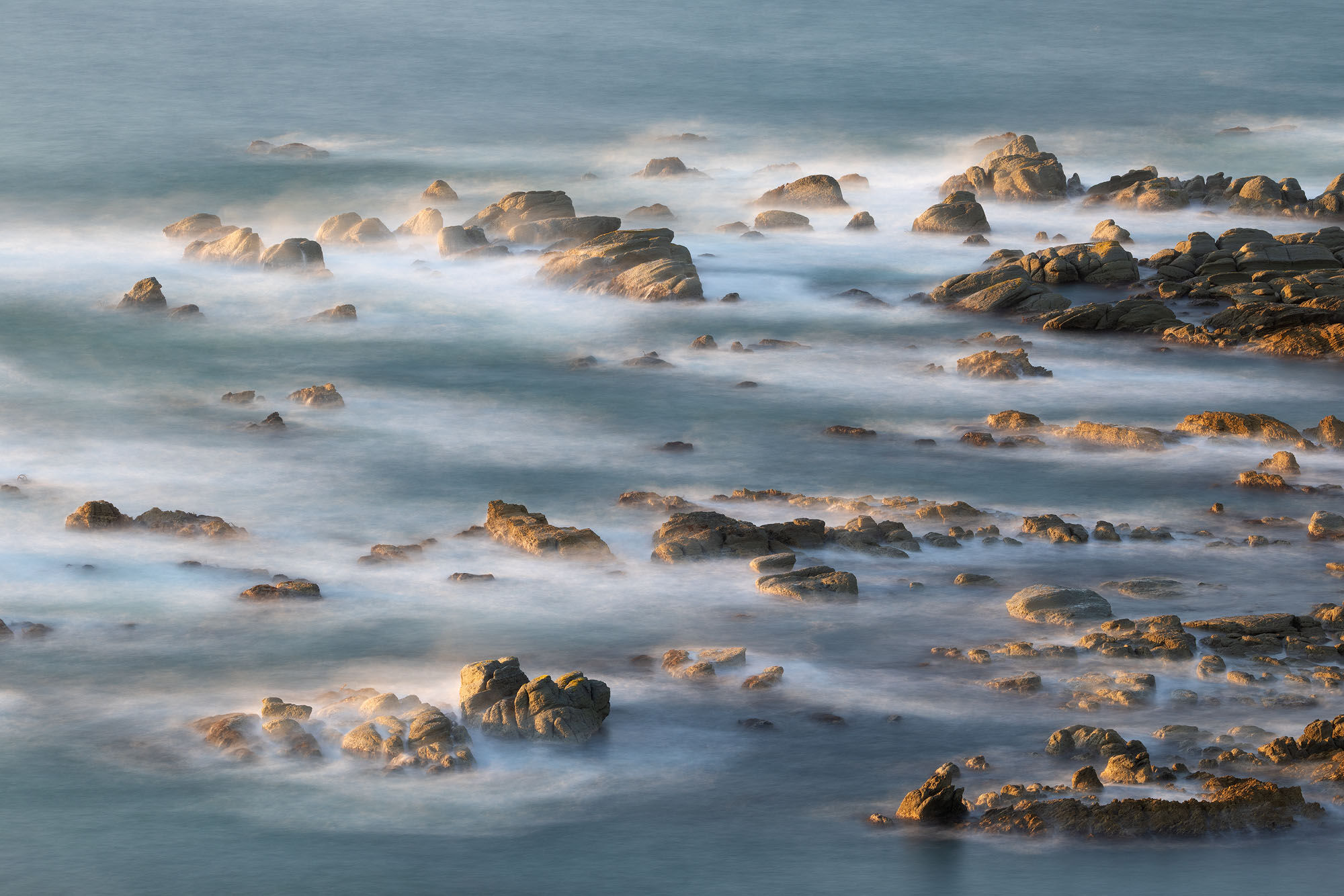
Coastal rocks and incoming tide at sunrise.
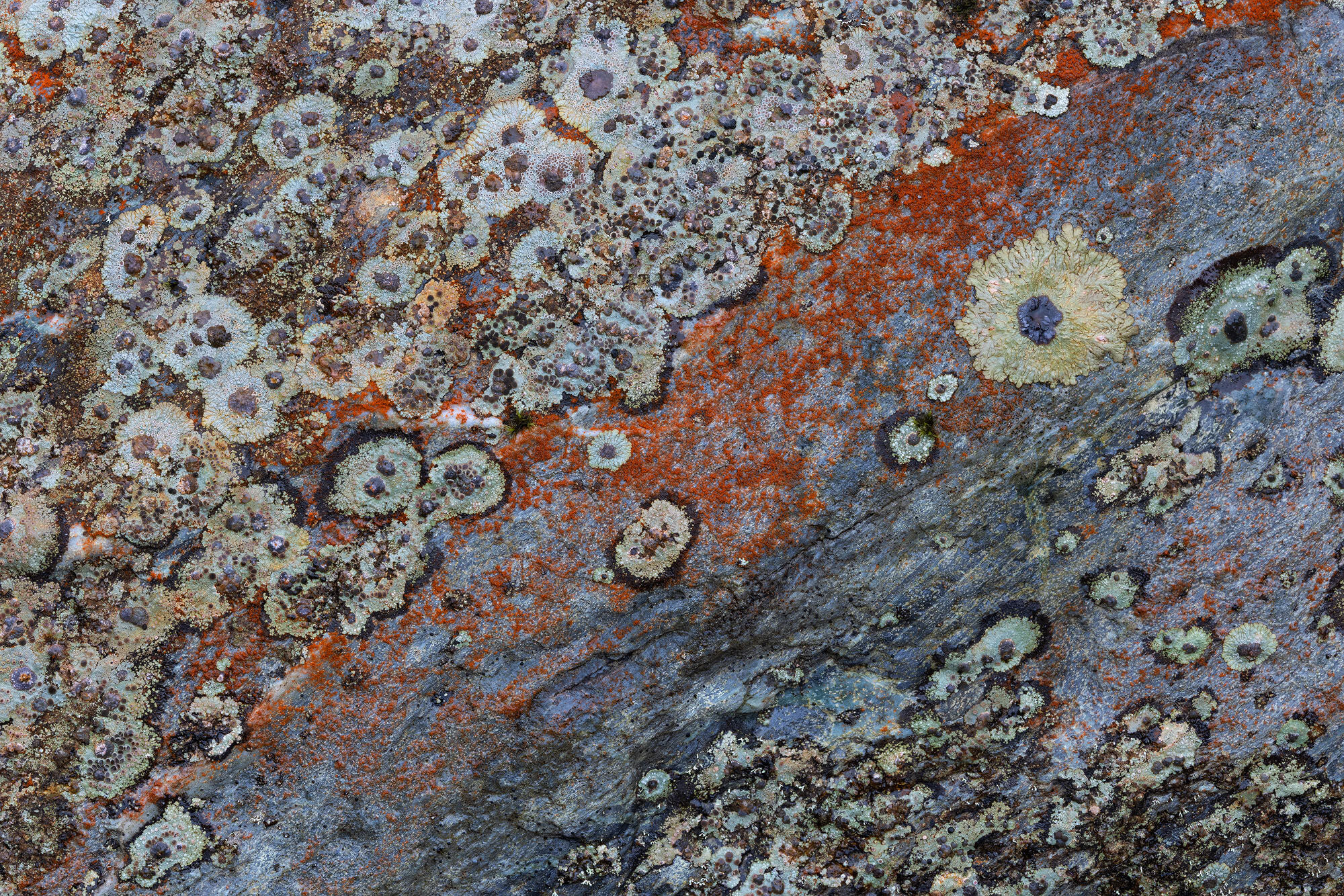
Cool lichen patterns on a rock near a large river.