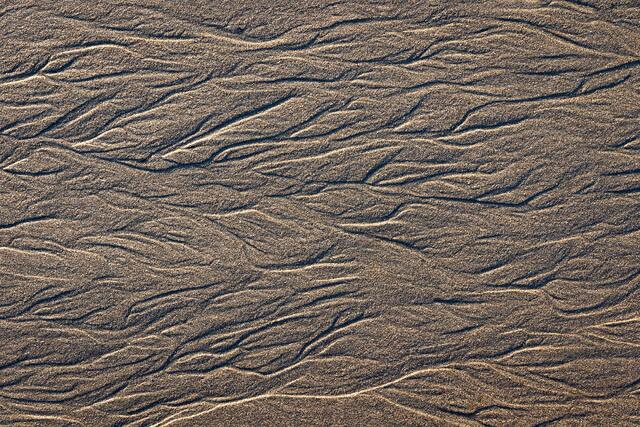
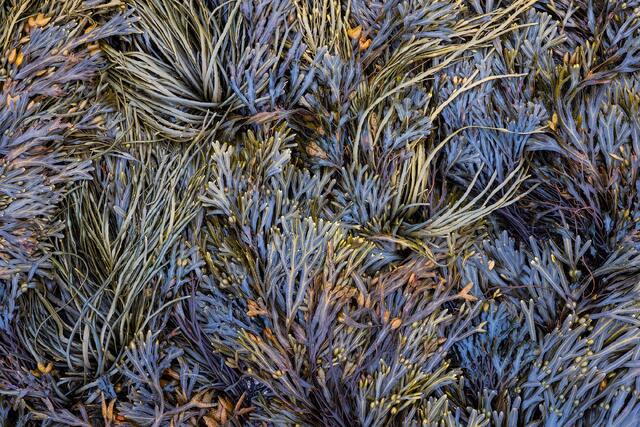
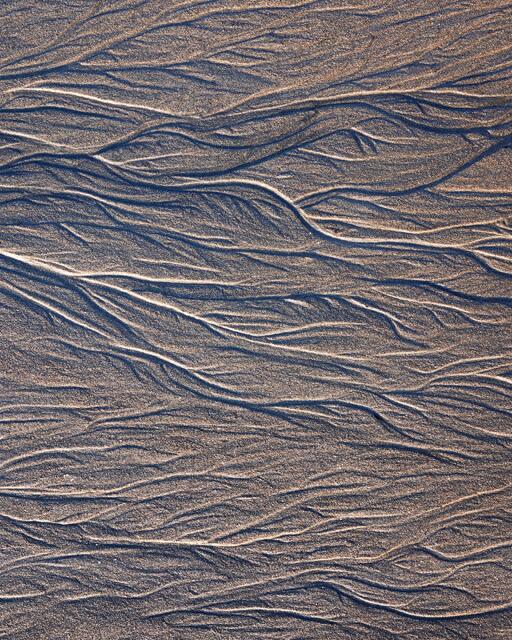
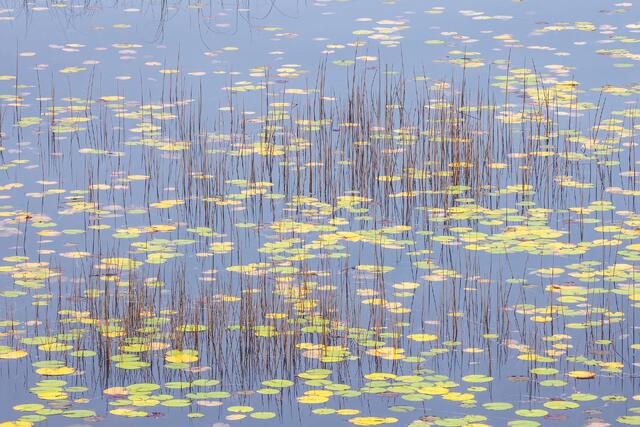
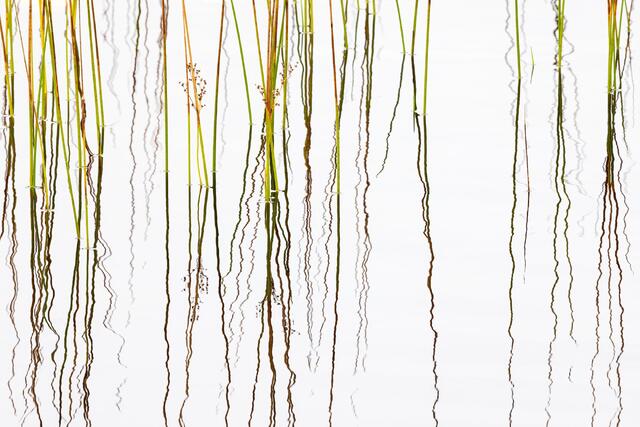
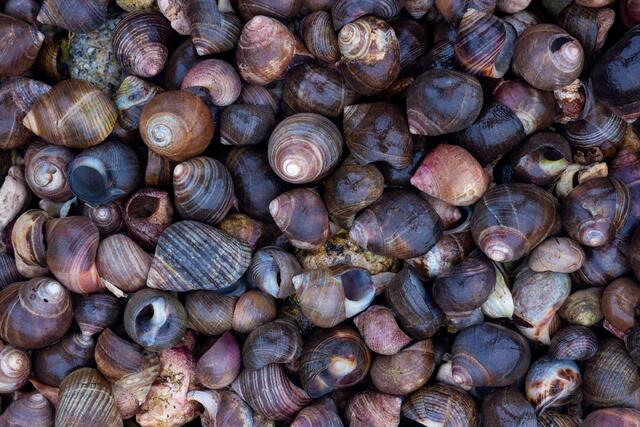
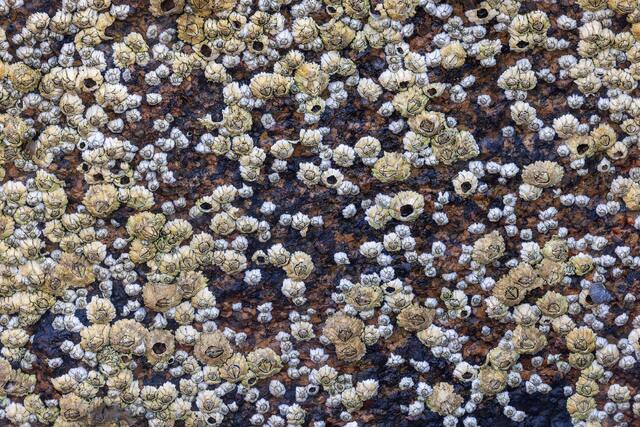
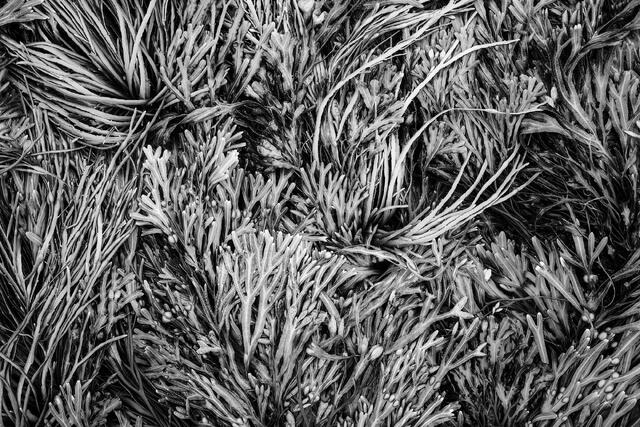
The National Park Service describes Acadia’s 64 miles of coastline as the majestic interface between sea and land. The transition happens abruptly in some spots, with a trail through a quiet forest ending abruptly at sculpted pink granite cliffs with crashing waves right below. It is exhilarating to reach these spots, especially when strong waves reverberate through the ground you are standing on. In other places, the coast is comparatively gentle with expansive beds of colorful marine algae including knotted wrack and rockweed growing in accessible tidal zones. These scenes are ephemeral, which adds to their appeal. As the tide goes out, the graceful patterns are reset and might look entirely different the next day, with the arrangement dependent on how the waves are churning at the time.
Moving inland, the terrain changes to a mix of dense forests, lakes, and mountains. More than 400 lichen species have been found in Acadia, making it one of the most lichen-diverse landscapes in the US. After only a few steps into any of Acadia’s forests, the variety of lichen is both overwhelming and fascinating, from the minty-green lichen expanding like jagged lightning bolts across gnarled bark to puffy reindeer lichen growing in expansive patches on the ground to colorful map lichen expanding across many of the park’s pink granite rocks. Although the popular places in Acadia feel overwhelmingly busy at most times of the year, it takes only a few steps on any of the park’s many trails and carriage roads to find solitude and a lifetime’s worth of intimate landscape possibilities like these.