Sarah's 2025 Year in Review

Light shines on a tall dune while the rest of the scene falls into shadow at a remote area of sand dunes in Death Valley National Park, California.
HAPPY NEW YEAR!
First, I wish you the best for 2026! Before turning to review 2025 and share a few favorite photos, I’d like to thank you for your support and ongoing encouragement. With so many things pulling at your attention, I sincerely appreciate you spending some of your precious time appreciating my photography.
A LOT OF PROGRESS, NOT ENOUGH COMPLETION
If you would just like to see the photos, feel free to scroll to the end of this post.
In pulling together this review of 2025, my main conclusion is that I spent a lot of time making progress on photography-related endeavors but didn’t actually finish much. If I had to decide on a single resolution going into 2026, it is to bring some of these long-simmering projects past the finish line. On the positive side, I did have some exceptional experiences outside, and those moments were the highlights.
With the end of 2025, I will have finished my fifth year as a “full-time photographer.” In January 2020, as I wrapped up my last project related to my previous career in the nonprofit sector, I’d likely have expected more professional progress with photography five years into the future but that whole global pandemic thing got me off to a rough start. After trying a whole lot of different things over the last few years, I now have a much better understanding of how “the things I am good at” and “the things I enjoy” intersect, which has helped offer some much-needed clarity about how I should spend my professional and creative time moving forward. I am still trying to figure out how I fit into this field and learn to better navigate some of the professional challenges that come along with doing landscape photography as a career but I finally feel like I am making progress in the right-for-me direction.
STARTING THE YEAR IN CALIFORNIA AND COLORADO
We started the year by visiting the central California coast, the small but fantastic UC Santa Cruz Arboretum and Botanic Garden, Yosemite Valley, and California’s Central Valley for bird photography. With regard to the birds, seeing thousands of geese take off all at once was an incredible experience to finally see -- and hear! -- in person. You can read more about and see the photos from the Yosemite and coastal portions of this trip through the links above, with the rest of the photos coming sometime in 2026.
In February, I headed to Rocky Mountain National Park to speak at the Outdoor Photography Alliance women's conference and spend some time with a lovely group of photography friends afterward. While I thoroughly enjoyed the photography experiences and the conference, this trip felt notable for other reasons. The nonprofit sector is dominated by women and, in my previous career, I found it easy to establish strong friendships, find mentoring relationships, and develop easy collaborations. Comparatively, landscape and nature photography has felt like a lonely field and while I am comfortable working alone, I’ve also yearned to feel more like I am part of a community. I experienced a significant shift in this regard across 2024 and 2025. I now have quite a few solid, supportive friendships with other women photographers, which is something I could have never envisioned when I took up nature photography years ago. After always feeling like I was just outside the circle at every campfire or photo gathering, it was affirming and encouraging to see a whole conference of women nature and landscape photographers gathered in the same place.
A SEASON OF SAND DUNES IN DEATH VALLEY
After I returned home from Rocky Mountain National Park, we immediately headed to Death Valley for an extended trip. Each of our trips to Death Valley seems to evolve into a theme. The themes for our first 2025 Death Valley trip included incredible conditions on the sand dunes and impressive light over perfect salt polygons in one of the park’s basins. The theme for our second 2025 Death Valley trip, which happened in December, was all about water in the desert with a refilled Lake Manly and ephemeral mud patterns. With the sand dunes during trip #1, we had the perfect combination of dramatic, dynamic light plus wind at two different dune fields for a total of six pretty incredible photography sessions. I have always struggled with photographing grander landscapes among Death Valley’s sand dunes but after a lot of focused attention on improving my compositions, I was finally able to create what I consider to be a pretty strong set of photographs from this quintessential desert landscape.
I’m only sharing two photos from our time in Death Valley here because I am saving most of my new work from the park for a separate project. To finish that project, I’d like to spend more time exploring around the park’s higher elevation locations which requires the backcountry roads to be open. After a few years of heavy rainfall each winter, this has turned into a waiting game. Maybe the wait will finally be over in 2026, or I’ll just need to move forward since I’d like my best work from the park to be out in the world and not just saved on my hard drives.
PLANTS AS A GATEWAY TO LEARNING ABOUT THE LANDSCAPE
After leaving Death Valley, we headed to Anza-Borrego Desert State Park in southern California to meet a group of photography friends. The weather turned out to be unseasonably warm and specifically too hot to do much of anything except at the very edges of the day. Most of my time ended up being focused on group logistics and meals, so I directed my limited photography efforts toward the region's beautiful and diverse desert plants. I have finished processing all of my plant photos taken during 2026 and will have more to share on that theme soon.
And while I am on the topic of photographing plants… This year reiterated an important lesson: pursue what you love without regard to the opinions of others. One professional highlight of my year was a big photo licensing project for a healthcare facility. All of the photos selected for the project are shallow depth of field plant photos, almost all taken in the very early spring (as in before the fancy blooming flowers were emerging) at Botanica Wichita in Kansas. When I started sharing my day-dreamy plant photos years ago, I received mixed reactions and some outright negative feedback (your focus point is in the “wrong” place, or I don’t get why the photo is so fuzzy, or leaves are kind of a boring subject and you should focus on flowers instead, and stupid stuff like that). I am glad I ignored all that unsolicited advice and feedback because following my interest in plant photography, and doing it how I wanted to do it, has been one of my most fulfilling creative pursuits. Not only have I licensed or otherwise commercialized quite a few photos in this style but following this path has also been the gateway for learning so much more about the natural world and gaining a deeper understanding of what it means to connect with a subject. I also just love this growing body of work.
Additionally, my interest in native plants led me to work on becoming certified as a Colorado Native Plant Master, a program I hope to finish in 2026. I attended three of these multi-day field sessions during 2025 (each hosted in a different ecosystem including Colorado National Monument, the Telluride Valley Floor, and Grand Mesa, all in southwestern Colorado). I am also working through the Rocky Mountain Naturalist program offered through Colorado State University. I have found significant inspiration in participating in these programs and feel like they have opened up a new world for me in terms of connection and understanding. While my photography might not look much different as a result, it feels very different in terms of the experience.
MEANDERING INTO ARIZONA
In May, we took a meandering trip to Tucson to attend the North American Nature Photography Association (NANPA) Summit, where I received their Trailblazer Award. Before the conference, we stopped at the Grand Canyon and the Desert Botanic Garden in Phoenix. After badly spraining my ankle in late 2024, a long hike at the Grand Canyon was the first time I felt like my hiking stamina was starting to return. Recovering from this injury, losing the weight I gained during a lot of downtime, and trying to get back in shape has been daunting, mostly because I am not great at making a whole bunch of little decisions that accumulate in a positive way over many months. I am finally seeing real progress and hope I’ll be able to return to backpacking in the new year.
After the NANPA conference, we stopped at Bosque del Apache National Wildlife Refuge in New Mexico. While we saw a lot of exciting birds during our visit, our favorite experience was seeing dozens of nighthawks hunting insects at dusk. It was exhilarating to see so many of these secretive birds slicing through the air around us. Before heading home, we stopped at the Denver Botanic Garden for some extended photo time (again, those photos will be coming soon). The Learn Nature Photography group also released our second collaborative video tutorial collection, The Light Collection, in May. The thing I miss the most from my previous career is working on bigger projects as part of a team so I’m glad to be part of this group, and am excited to be almost ready to share more about a separate collaborative project soon, as well.
SUMMER NEAR HOME IN COLORADO
In July, I taught two workshops for the Crested Butte Wildflower Festival, which offered us time to explore that area more extensively. The Wildflower Festival staff were great partners in terms of professionalism and making everything easy and fun so I am excited about teaching with them again in 2026. With one incredible field of purple lupine and a lot of other summer subjects to enjoy, I was able to pull together a small portfolio of work from before and after the workshop, which you can see here.
The rest of summer brought a lot of time at home where I enjoyed tending to and photographing my extensive perennial garden. We turned the rest of our photography attention to completely revamping our website through WideRange Galleries. Working with WideRange Galleries owner (and friend) Jack Brauer was a great experience and we are so very happy with our new website. Also: it was so much work! Once fall colors rolled around, we were ready for some time outside after so much tedious desk time.
AUTUMN AMONG THE ASPENS AND ON THE OTHER SIDE OF THE WORLD
After a very dry summer, southwestern Colorado received a significant amount of rain right as autumn began. This precipitation and cooler temperatures combined to create an incredibly vibrant, long-lasting autumn season. Our house was full of energy with a few different sets of visiting friends, which made this time even more memorable and fun. In early October, I took a brief detour to attend and speak at the Horizons Photography Conference in Durango, another really wonderful and inspiring gathering of nature photographers that left me with a few moments of important clarity that I hope to bring with me into 2026.
As mid-October rolled around, the fall colors were still looking pretty amazing but it was time to turn our attention to New Zealand, where we spent a full month exploring the South Island. I have a whole lot to say about that trip so I will save it all for later. I learned a lot about myself and my photography while we were there. One important lesson is that extended time in a place and a slow pace are two of the most important ingredients in the creative process for me. I am about halfway through processing my photos from the trip and I cannot believe how many technical mistakes I made, mostly due to the self-imposed feeling of being rushed and always wanting to see what was around the next corner. Precision and craft are two things I highly value as part of my photography practice and it has been pretty disappointing to see how poorly I performed in this regard while in New Zealand. Also, I do my best work after I have had a chance to absorb and process my first impressions of a place so I can move beyond them and I never really got enough of that time in New Zealand. Since I said I’ll save it all for later, I’ll stop here. More on this trip in the next few months…
AND BACK TO DEATH VALLEY AGAIN
After this intense and busy autumn season, we returned home feeling sleep-deprived and jet-lagged. So, what did we do? We packed up our trailer and headed to Death Valley. In listening to a podcast about politics and voter behavior, I heard the term “revealed preference” for the first time. This is a fancy way of saying that a person's actions speak louder than their words. I often say that I want a more balanced, less intense life but my revealed preference, over and over again, is that I will always choose being in constant motion when I have the choice (to be clear, when I am photographing, that motion is often happening at a very slow pace but it is still motion). My revealed preference is that water in the typically dry Badwater Basin and fresh mud patterns in the desert always have a stronger pull than taking a pause, fully resting up, and answering emails in a timely fashion. Clearly, I need to work on aligning my identity, habits, and practices with these continually revealed preferences… In looking through my files from our time in Death Valley, it was absolutely the right decision to make the trip.
CURATING A COLLECTION OF "FAVORITE" PHOTOS
Now that you have reached the end, I’ll share a few thoughts about this selection of photos. This collection pulls together some of the photos that I stop at and appreciate as I am scrolling through my Lightroom catalog that also look visually cohesive together (blues and greens with some complementary warmer hues mixed in). Stopping to linger over a photo, either because of its visual qualities or the memories it evokes, is the best indication of "favorite" that I have found with my work.
With this in mind, sharing a set of “favorite photos” has become a bit of a challenge for me because of the nature of my photography. I do not take many photos that are meant to stand on their own. Instead, I generally deconstruct a place with individual compositions, often featuring quiet and sometimes mundane subjects, and then put it all back together to offer a fuller impression of a place through a larger portfolio of final photos. I’d consider all of the individual photos in this post to be favorites but they feel incomplete without their visual companions.
Separately, I’m trying to be truer to myself in what I choose to share. While I always photograph the things that I connect with most deeply, I do not always choose to share those photos or I let them linger at the end of a gallery. An example: I went to New Zealand, halfway around the world, and my favorite subjects were a small rock in a riverbed and a patch of trailside moss. Instead of selecting scenes with dynamic light or more impressive subjects to represent my time there, I’m sticking with the selections that I like the most, even if others will probably see them as sort of strange representations of such a visually dramatic place. Despite this swirl of factors that makes me feel a bit hesitant about sharing this set of photos under the label of "favorites," pulling it together and reflecting on the year feels worthwhile, especially since I didn’t think I had much to share when I opened a document and started typing. Seeing everything in one place helps make sense of how I experienced 2025 and the lessons I hope to bring forward into 2026.
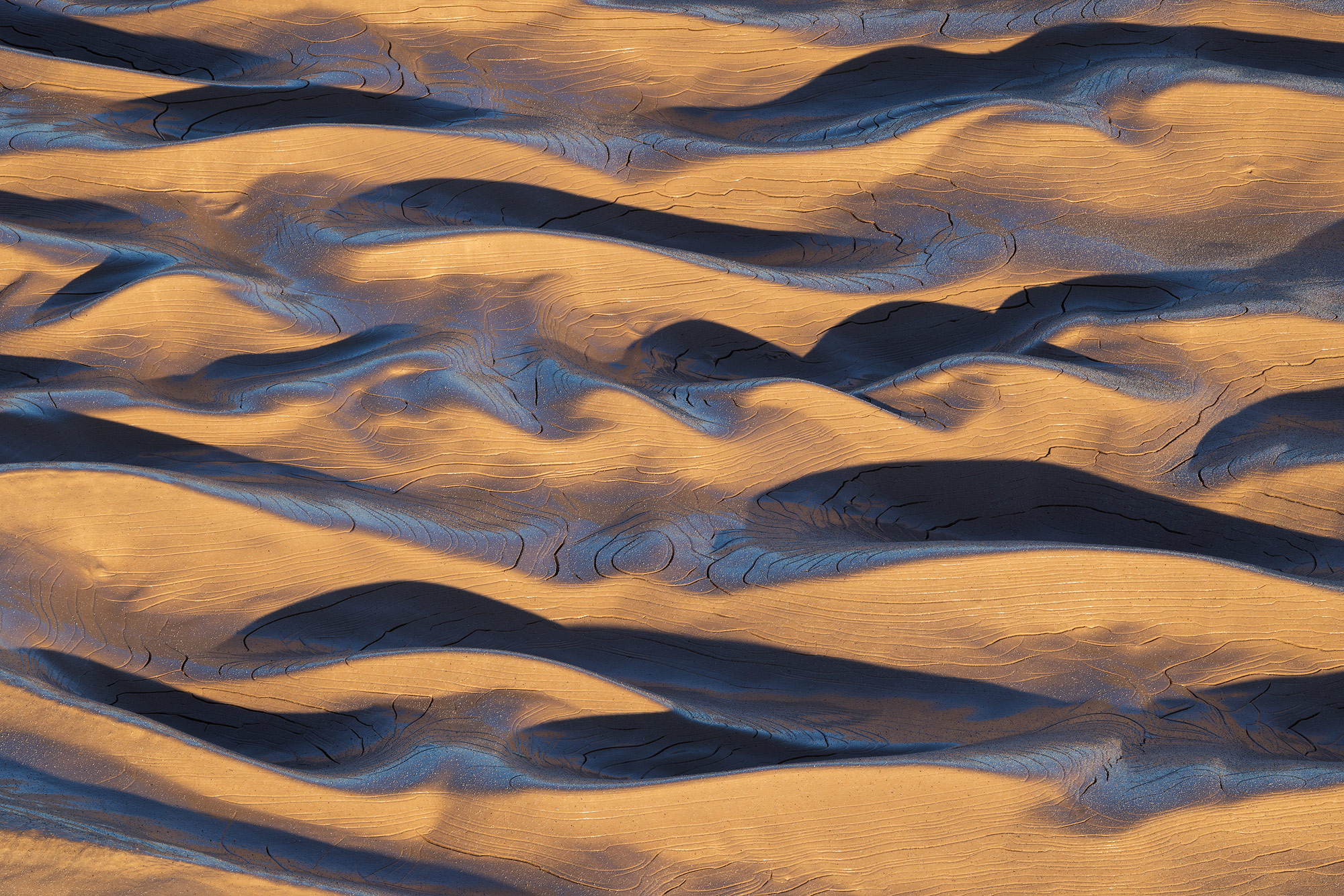
Warm light falls across an expanse of drying mud, with the shadows creating a feeling of movement across the scene. Death Valley National Park, California.
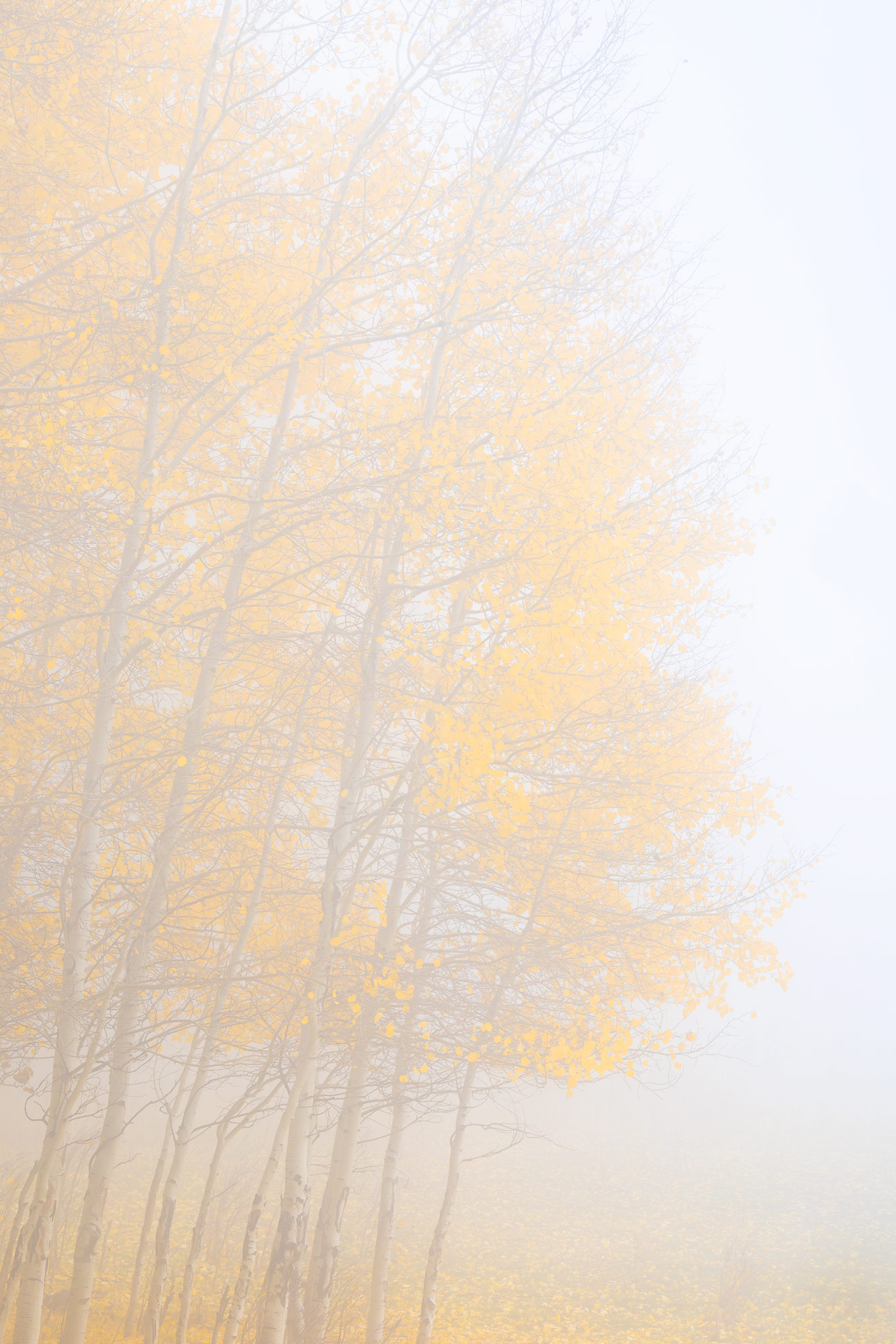
Thick fog envelopes a grove of autumnal aspen trees near Dallas Divide in southwestern Colorado.

Gentle cascades flow over colorful rocks in the Slate River. Crested Butte, Colorado.
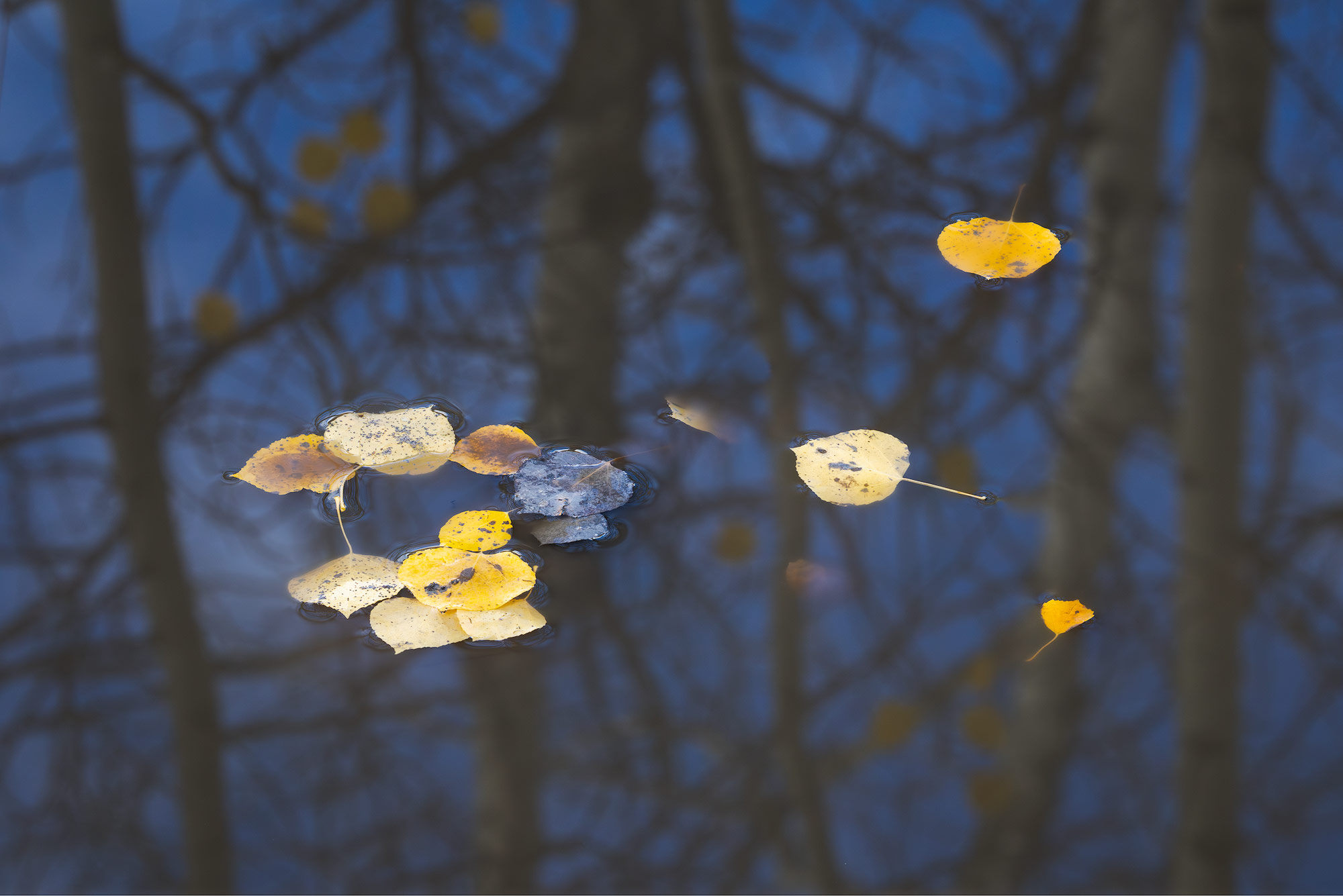
Aspen trees reflect on the surface of a puddle with a few fallen leaves floating by. San Juan Mountains, Colorado.
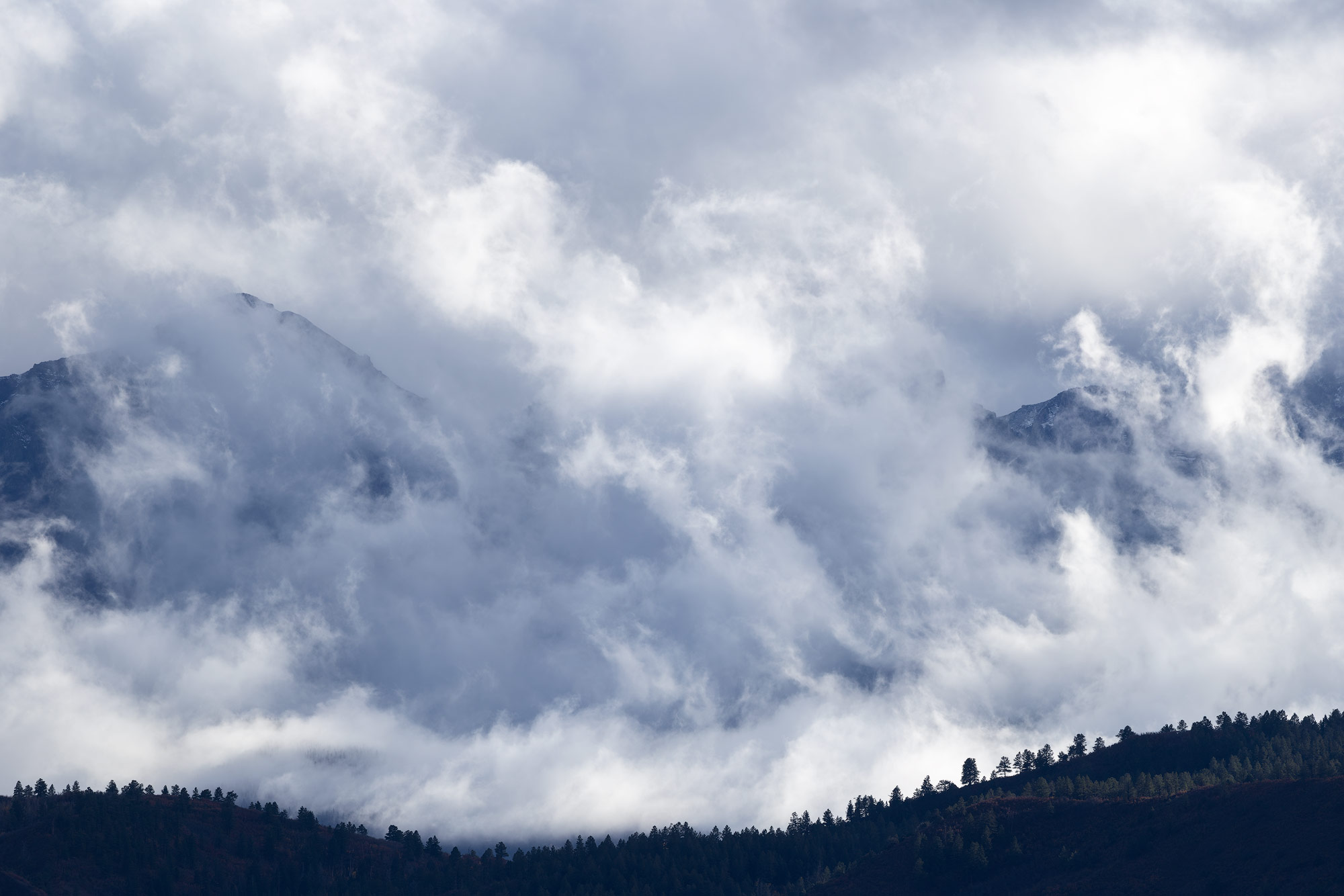
An autumn storm clears over southwestern Colorado's San Juan Mountains.
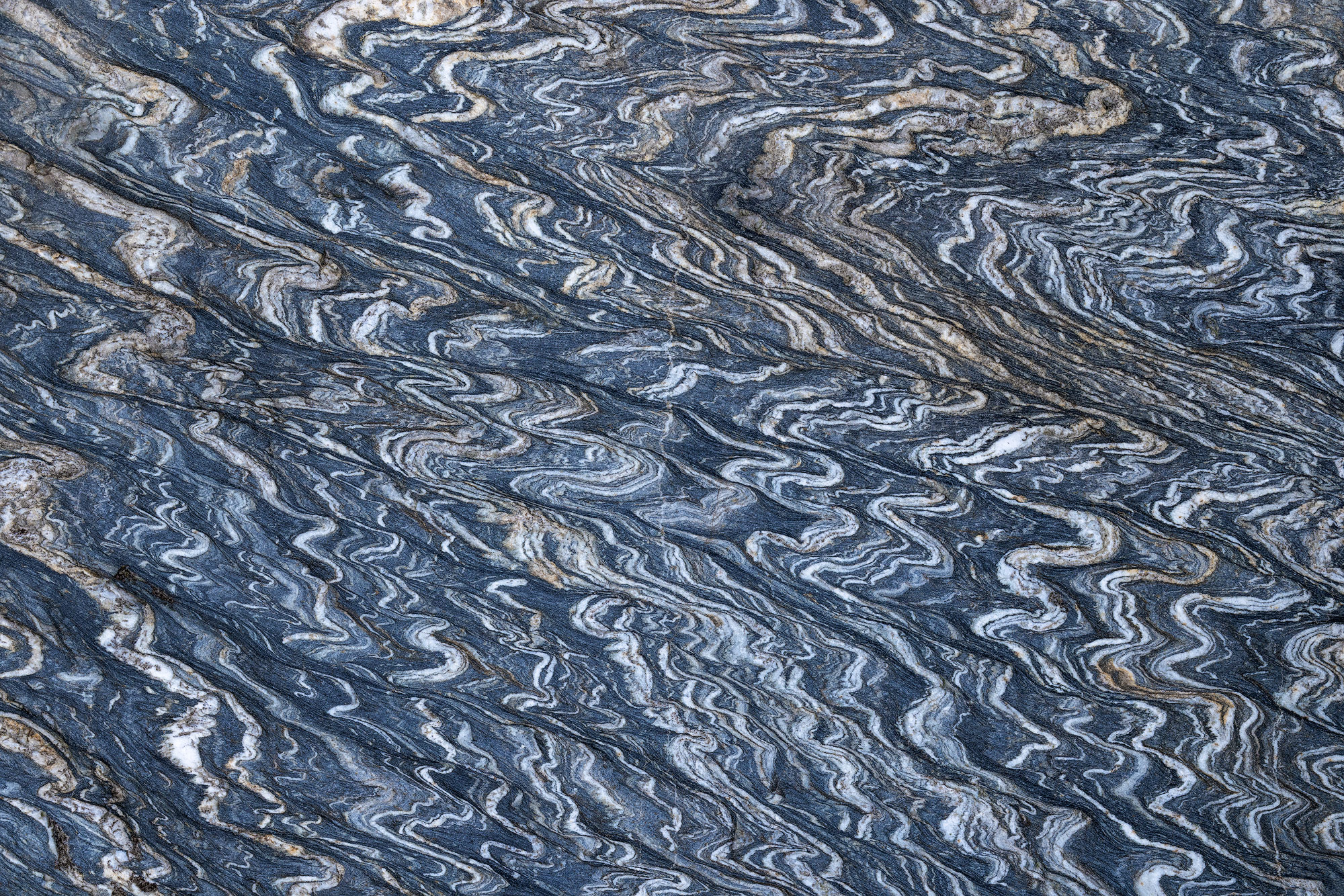
Mesmerizing patterns on a rock at rest in a riverbed near Haast Pass on the South Island of New Zealand.
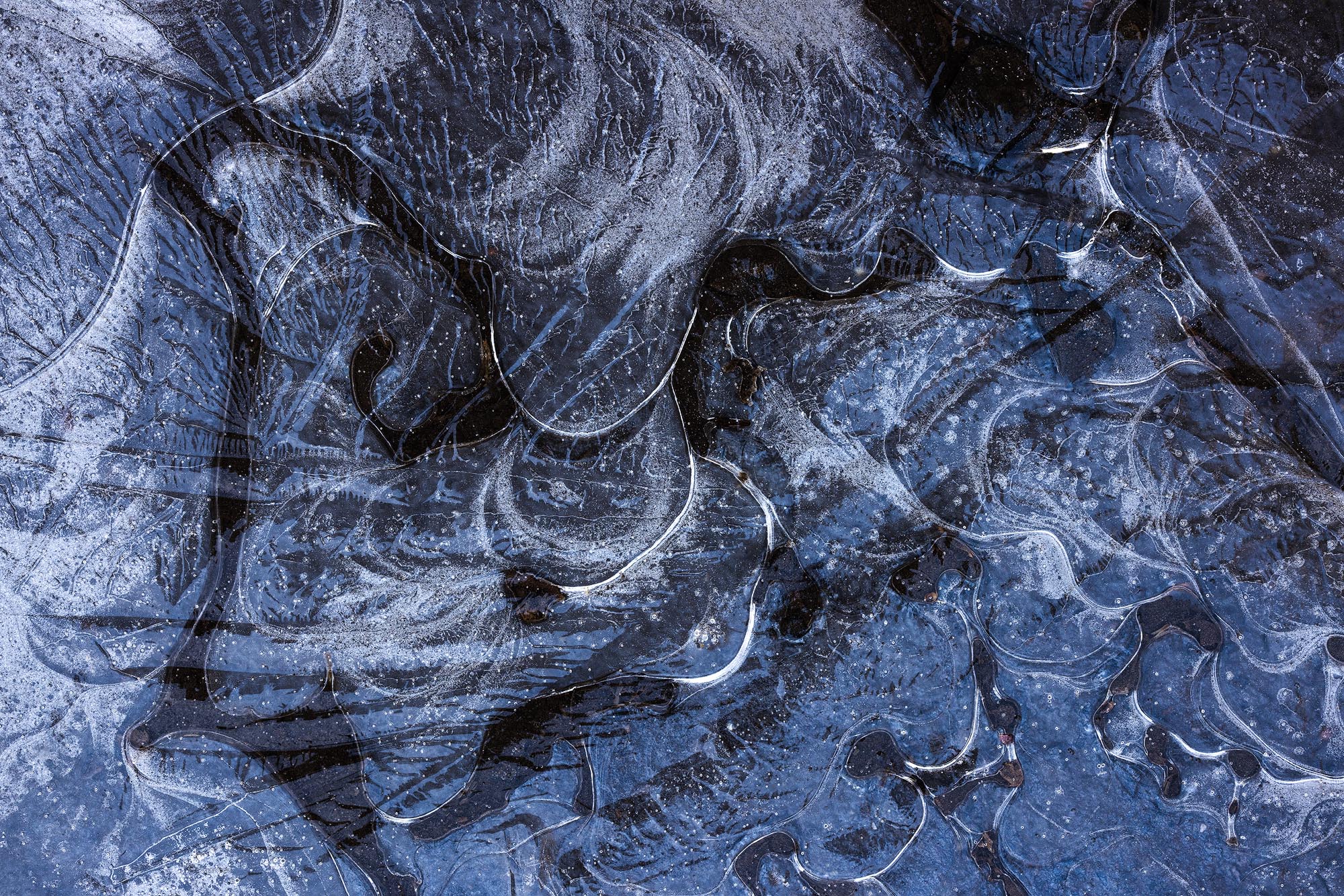
Patterns in ice, Yosemite National Park.
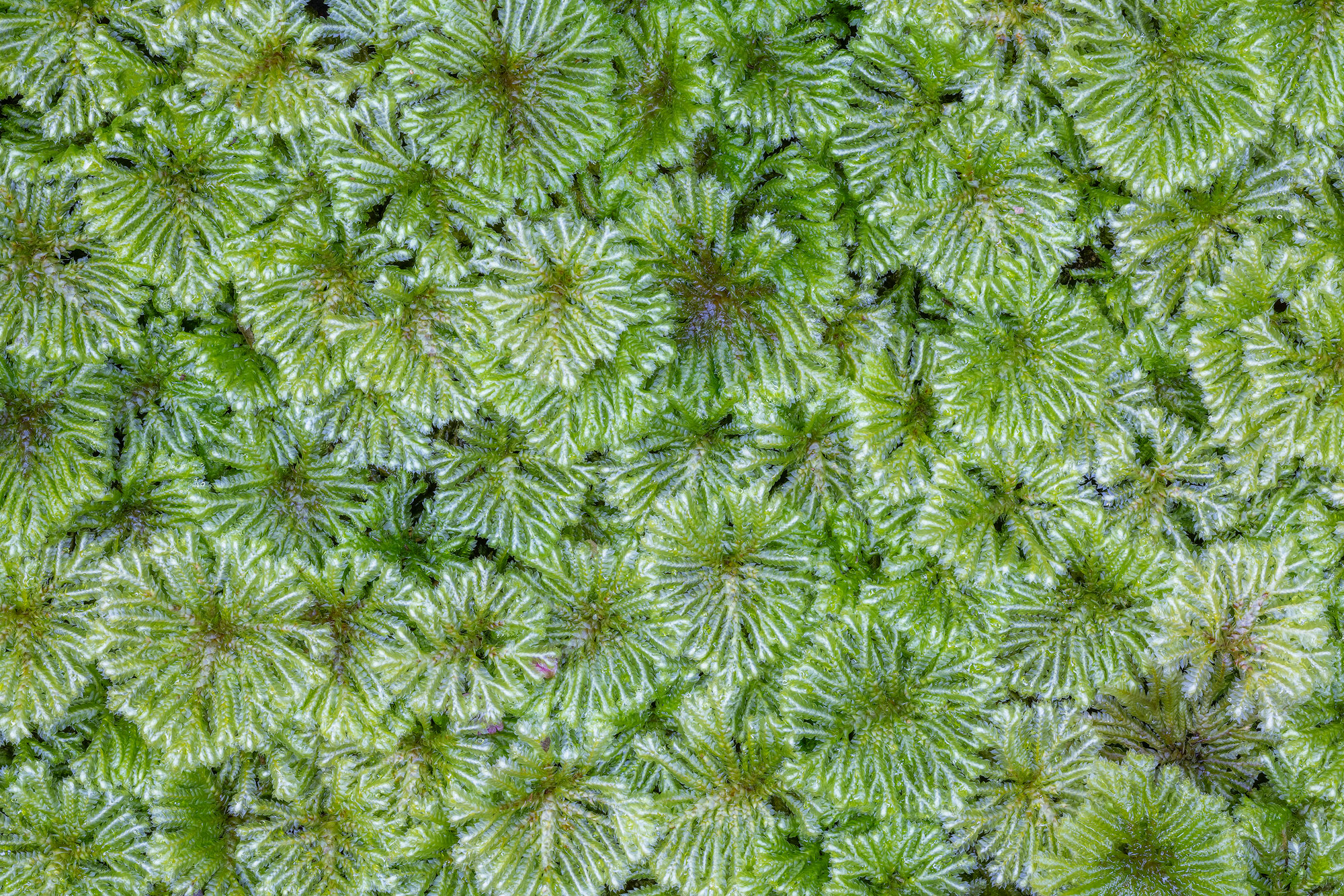
An expanse of possibly the most beautiful moss I have ever seen. Paparoa National Park, South Island of New Zealand.
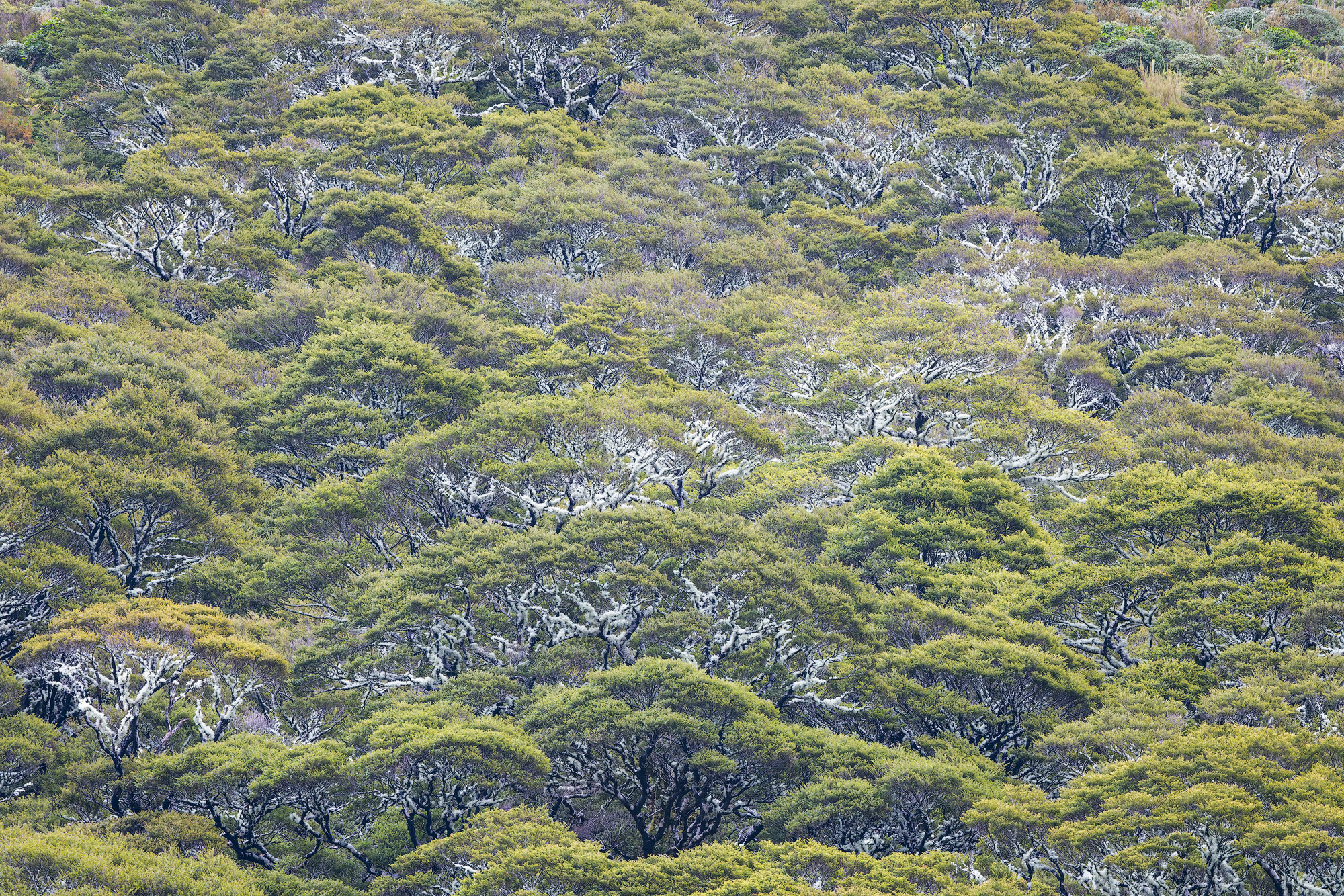
A hillside of lichen and moss-covered beech trees in Fiordlands National Park on the South Island of New Zealand.
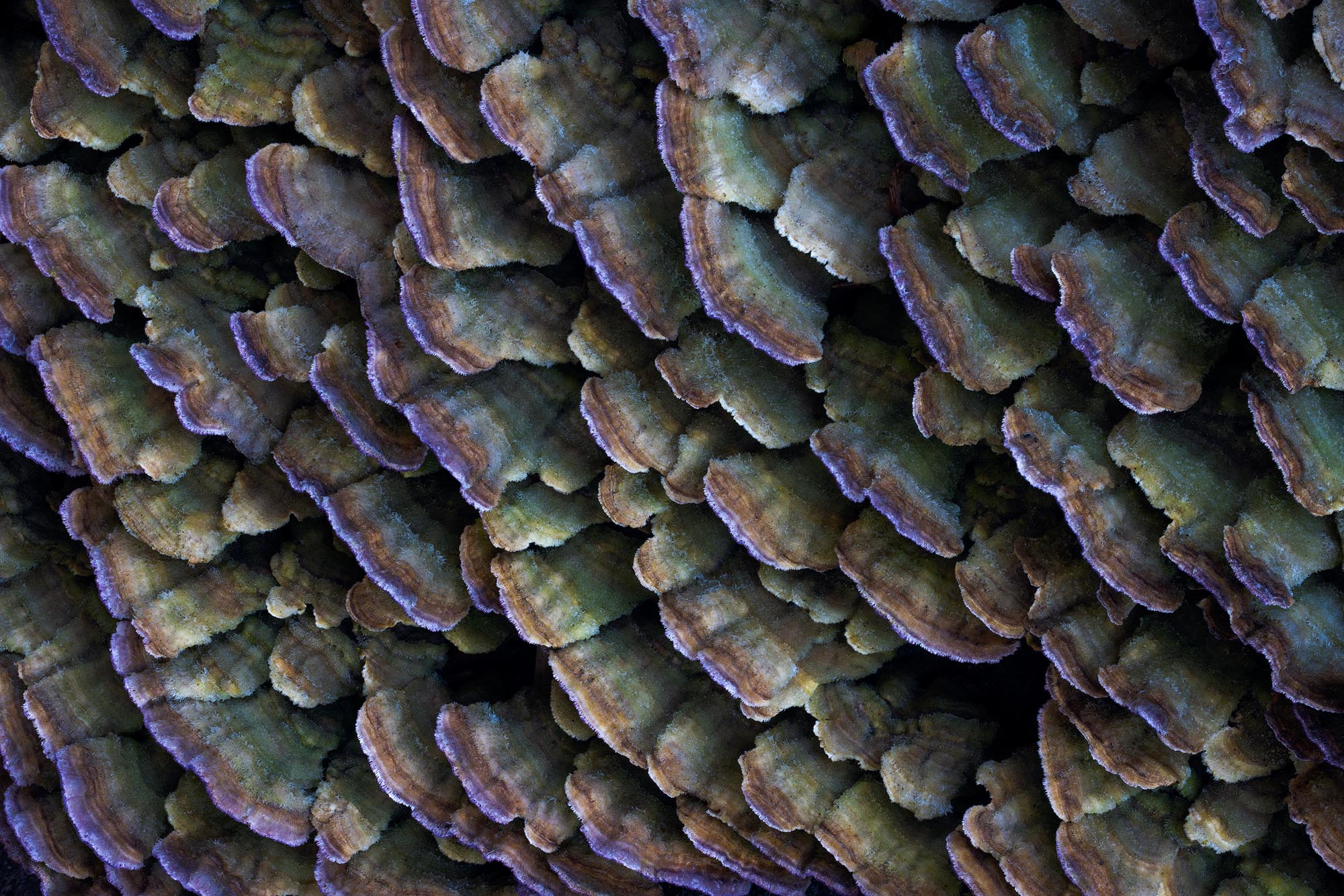
Frilly mushrooms growing on a decaying tree in Yosemite Valley, California.

A ponderosa forest after a fresh snow. Rocky Mountain National Park, Colorado.

Tree fuzz drifts through the air, catching the early light of the morning above a grove of trees. Yosemite Valley, California.
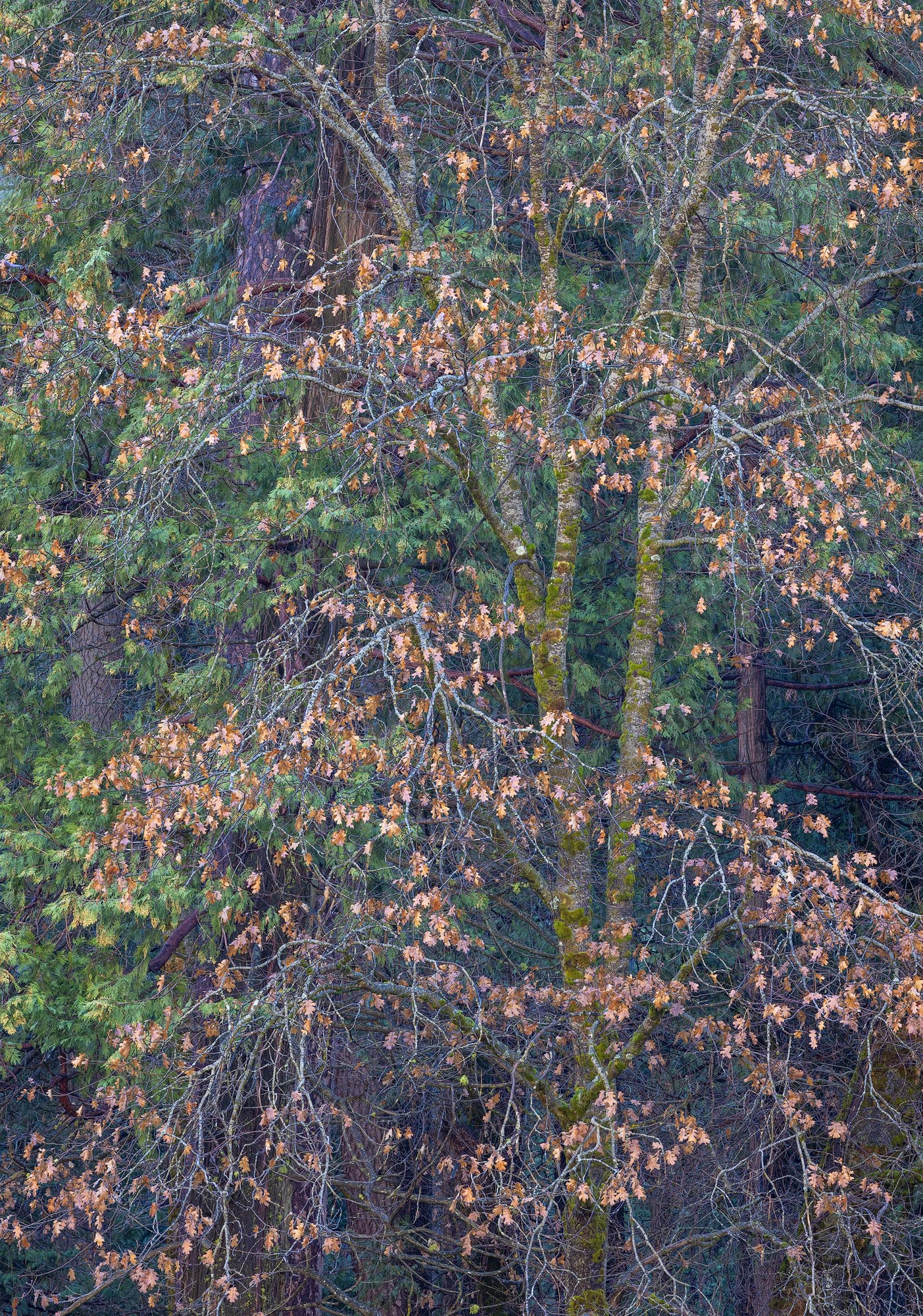
Oak leaves cling to their branches well into winter, a phenomenon known as marcescence. Yosemite Valley, California.
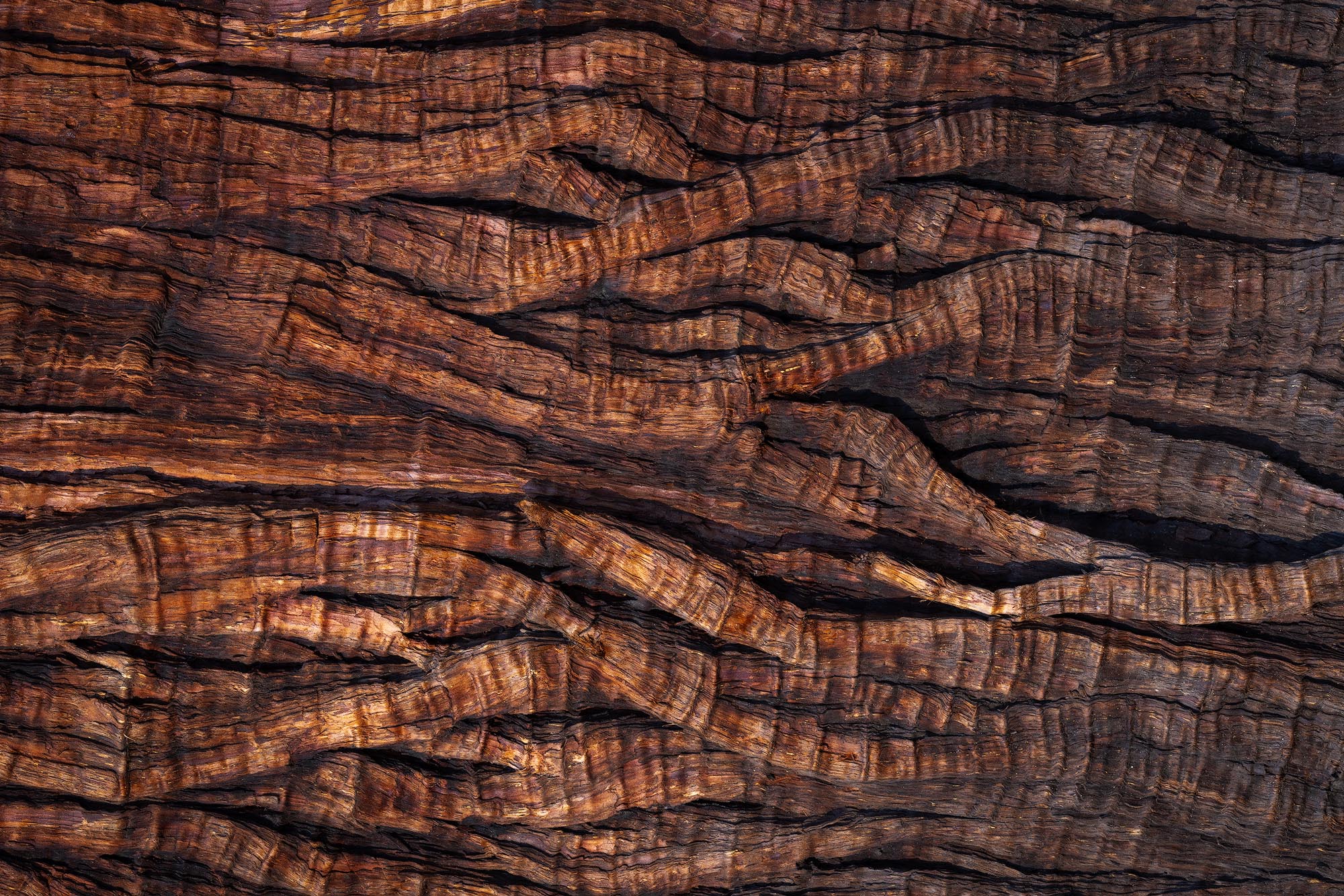
Deeply fissured bark in warm morning light. Yosemite National Park, California.
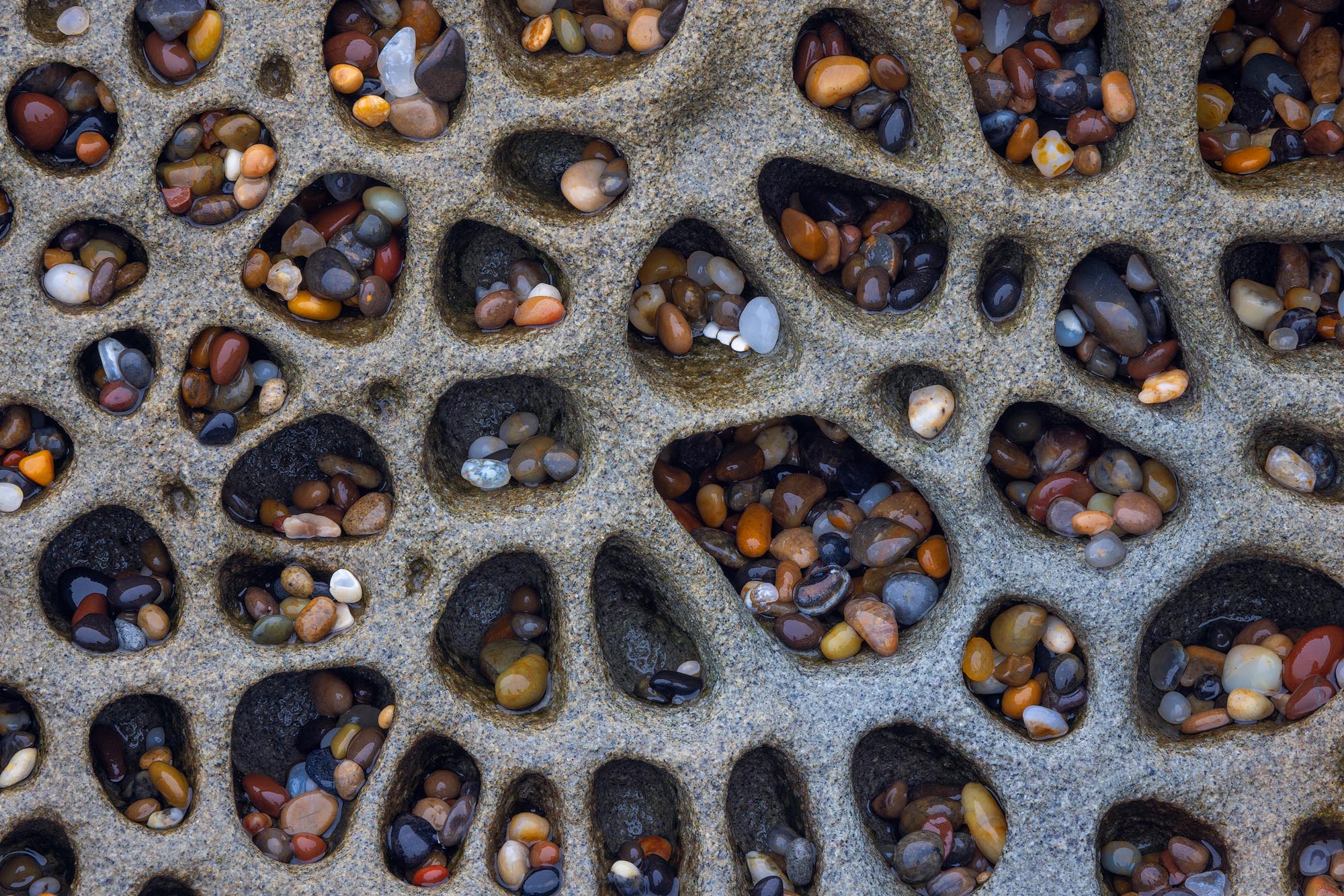
Tiny pebbles at rest in pockets of heavily weathered tafoni rocks along the central California coast. I have wanted to see this little scene in person since I saw a photograph of it years ago and finally found it after research and quite a bit of looking around. Both the pockets and the stones were much smaller in person than I imagined them to be.